

























































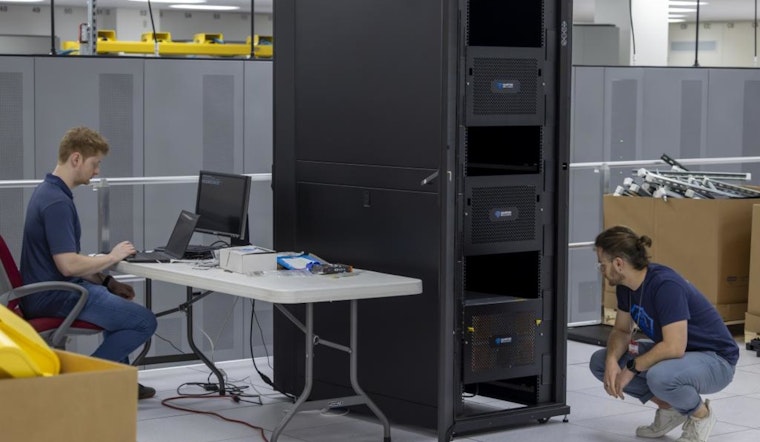
In a significant leap towards the integration of quantum computing within high-performance computing ecosystems, Oak Ridge National Laboratory (ORNL) has introduced an on-site Quantum Brilliance computer system. This new addition serves as a platform to advance the coexistence and collaboration between quantum and classical computing paradigms. According to information released by ORNL, the lab is diving into the mechanics of hybrid computing, such as co-scheduling and performance optimization, aiming to revolutionize scientific computing.
OLCF's Program Director at ORNL, Ashley Barker, highlighted the strategic role of the new system in advancing quantum computing, "By hosting a Quantum Brilliance system on site, we'll be maturing the real mechanics of hybrid computing — co‑scheduling, end‑to‑end performance tuning, data and workflow orchestration, workforce development and more — so we can eventually move HPC-quantum integration from a conceptual pilot to a fully embedded capability within leadership computing."
The distinction of quantum computers lies in their use of qubits or quantum bits, unlike the traditional binary bits of classical computers. These qubits enable quantum machines to process massive datasets and solve complex problems by operating in a state known as quantum superposition. Last year, ORNL published a study advocating for this kind of quantum-classical framework, emphasizing its commitment to its development. As Dr. Travis Humble, the director of the DOE's Quantum Science Center at ORNL, stated, "This hybrid system provides ORNL researchers with a new platform to explore advanced computing methods, including parallelized quantum algorithms, that support tight integration with HPC systems."
The cluster installed at ORNL's Advanced Computing Ecosystem testbed boasts three parallelized QPUs with a modest count of six qubits, a number that, despite seeming small, represents an important step in applied quantum research. These diamond-based QPUs stand out, avoiding the need for cryogenic temperatures or intricate vacuum systems to remain stable, as Andreas Sawadsky, Quantum Brilliance’s technology and innovation manager, explained, "Diamond is extremely hard, so even at room temperature and atmospheric pressure, there isn’t sufficient thermal energy to generate the vibrations that would typically disrupt qubit coherence."
Quantum Brilliance's international presence, with operations in both Australia and Germany, reflects the company's ambition to push the boundaries of quantum technology into everyday devices and high-performance systems. Researchers at ORNL are poised to explore the hybrid computing capabilities for use in fields like computational chemistry and machine learning, as per the vision of the company's Chief Technology Officer, Dr. Marcus Doherty. With these strategic partnerships and technological innovations, quantum computing is inching its way from conceptual experiments to materially impacting the frontiers of computation.





