

























































Two species of native Hawaiian land snails, unseen for nearly a century, have been rediscovered on Kauaʻi, bringing a glimmer of hope to conservationists. According to Big Island Now, researchers from Bishop Museum and the Kauaʻi Forest Bird Recovery Project stumbled upon living specimens of "Godwinia caperata" and "Hiona exaequata" during recent biodiversity surveys. These elusive mollusks represent millions of years of evolution and hold significant cultural importance in Hawaiian tradition as kāhuli, celebrated in songs and stories.
The rediscovery has sparked an urgent call for protection efforts, with the Bishop Museum currently studying the snails' habitat, ecology, and behavior. The museum's Pūpū Ola: Kāhuli Protective Rearing Research Center is nurturing a small number of these snails, alongside 42 other land snail species, as reported by Hawaii News Now. The center's work is crucial as Hawaiʻi's land snails rank among the most threatened animals on Earth.
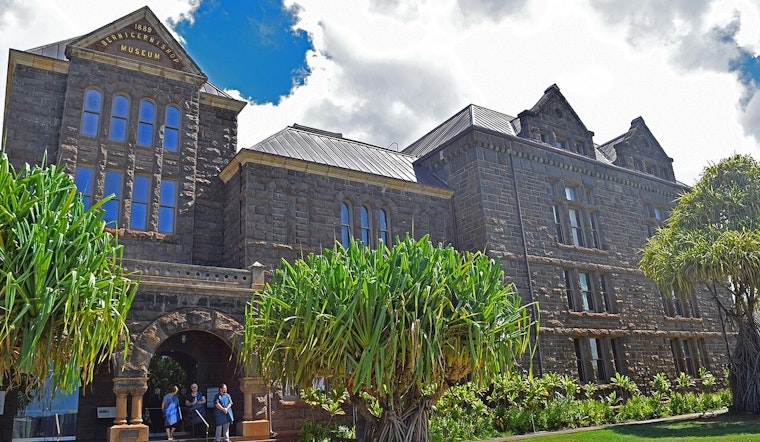
In an effort to communicate the importance of these discoveries, Norine Yeung, Ph.D., Bishop Museum curator of Malacology, emphasized the value of ongoing research and collaboration. "This is a rare spark of hope in the fight against extinction," Yeung told Big Island Now. "These tiny snails remind us that Hawaiʻi's forests still hold hidden treasures." The museum, bearing a legacy of over 130 years, continues its mission to document, protect, and share Hawaiʻi's biocultural heritage.
The success of the rediscovery can be attributed to years of collaboration among agencies, universities, students, and community outreach initiatives—a fact highlighted by Kenneth Hayes, Ph.D., Bishop Museum curator of Malacology and director of the Pacific Center for Molecular Biodiversity. As per a statement obtained by Big Island Now, Hayes said, "Finding them again after nearly a century underscores the importance of continued surveys, outreach, partnerships, and training." Such efforts reinforce the museum's role as the world's premier institution for Hawaiian and Pacific content.
With the rediscovery of Godwinia caperata and Hiona exaequata, researchers and conservationists are reminded that there is still much to learn about Hawaiʻi's biodiversity. As these findings demonstrate, careful conservation, nuanced research, and community-driven initiatives can pave the way for the protection of species teetering on the edge of extinction.





