

























































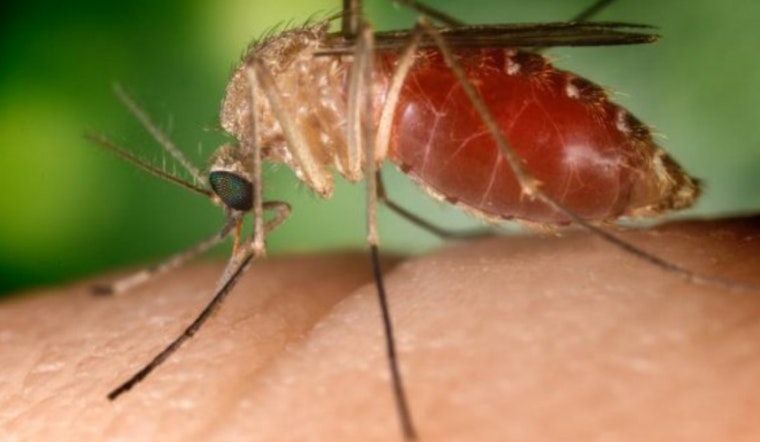
Mosquitoes carrying the West Nile virus have been identified in the City Heights and Skyline neighborhoods of San Diego. The discovery has prompted efforts by county officials to emphasize their "Prevent, Protect, Report" guidelines. These measures aim to curb mosquito breeding and to shield the public from the spread of mosquito-borne illnesses. Part of the response includes inspecting and treating known breeding sites, with added rounds of mosquito trapping to assess the situation, as reported by the County of San Diego.
In addition to the current findings, there are ongoing control efforts in response to West Nile virus activity detected in Rolando and La Mesa earlier in the year. Although mosquito counts are down in those regions, the San Diego County's Vector Control Program is actively monitoring and working to prevent further breeding. Despite these discoveries, no human case of West Nile virus has been reported in San Diego County this year. Yet, the presence of the virus is a stark reminder of its potential danger; it can be fatal when transmitted from mosquitoes to humans after feeding on an infected bird.
The county urges residents to eliminate standing water around their homes, which is a prime breeding ground for mosquitoes. Items like plant saucers, rain barrels, and toys can accumulate water and become mosquito nurseries. Residents can also obtain mosquito fish for free from the Vector Control Program, which can be used to mitigate mosquito breeding in water sources such as ponds or abandoned pools.
To protect oneself from mosquito bites, it's important to wear appropriate clothing like long sleeves and pants or use insect repellents outdoors, especially those containing DEET, picaridin, or other effective substances. Additionally, ensuring that window and door screens are intact is crucial for keeping these pests outside. Any increase in mosquito activity, unmaintained swimming pools, or sightings of dead birds—like crows and hawks—should be reported to the County Vector Control Program at (858) 694-2888 or by emailing [email protected].



