

























































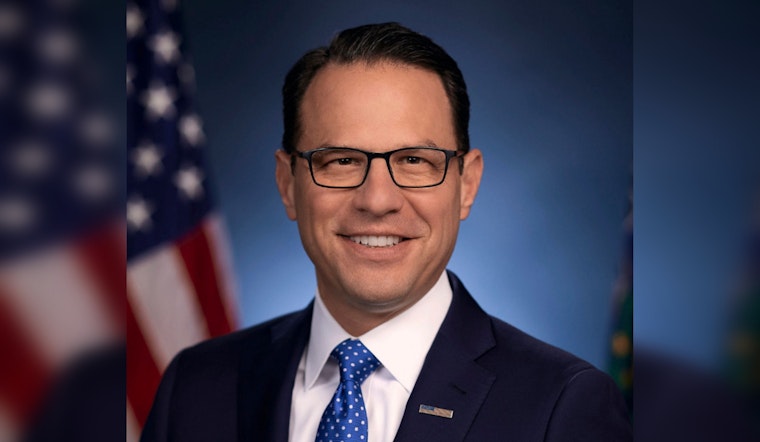
In an effort to sustain mass transit for Pennsylvanians, Governor Shapiro's administration has given the green light to SEPTA to repurpose up to $394 million in future capital funding, effectively averting service reductions through 2025-26. SEPTA General Manager Scott Sauer initially reached out for this flexibility to Secretary Mike Carroll at PennDOT for this flexibility, which was promptly endorsed by the administration, as stated by the Commonwealth of Pennsylvania.
Already working to support SEPTA and improve the state’s transit system, Governor Shapiro has introduced back-to-back budget proposals to boost transit funding. His latest plan includes a $292 million increase in the 2025–26 budget, projected to grow to $1.5 billion over five years. Last year, he also redirected $153 million in federal highway funds to prevent fare hikes and service cuts. Shapiro’s efforts stand in sharp contrast to the Senate, where partisan divisions have left a critical funding bill—vital to the system’s long-term stability—untouched, as noted in a letter from Secretary Carroll.
This redirection of funds comes at a pivotal moment, with major events on the horizon in 2026—the nation’s 250th anniversary, the FIFA World Cup, and the MLB All-Star Game. For nearly 800,000 daily riders, including 52,000 students from the Philadelphia School District and countless others who rely on SEPTA for work, dependable transit is not just a service but a necessity, as per the Commonwealth of Pennsylvania.
SEPTA’s role in the community extends far beyond transportation. Without its continued operation, projected service cuts could slash an estimated $6 billion from the regional economy and eliminate roughly 76,000 jobs, according to economic analyses. The human toll is already evident: 63 percent of Philadelphia schools have reported increases in late arrivals, while half have seen rising absenteeism—both linked to mounting transportation challenges, the Commonwealth of Pennsylvania reports.



