

























































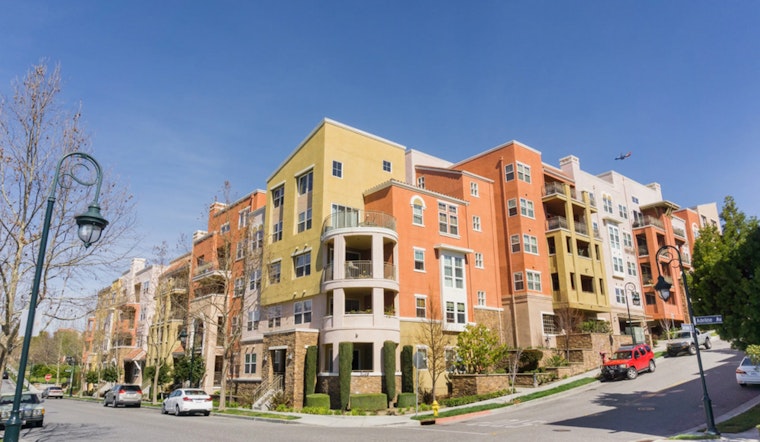
The face of Glendale's neighborhoods could dramatically change as the Glendale Garden Apartments redevelopment project moves forward, highlighting the tension between new state housing mandates and local control. The City of Glendale, while doing its best to marry state housing obligations with community wishes, now finds its hands tied by the recent enactment of Assembly Bill 130 (AB 130). As reported by the City of Glendale, this legislation limits the ability of cities to require Environmental Impact Reports (EIR) for development projects that it previously could have influenced.
Specifically, AB 130 cuts through local planning procedures by exempting certain housing projects from the thorough scrutiny of the California Environmental Quality Act (CEQA). It establishes conditions wherein cities must now process qualifying projects ministerially, refraining from discretionary review, and applying only "objective standards" already in place for zoning and planning, as per the City of Glendale. In the case of the Glendale Garden Apartments, even the possibility of its historic status won’t trigger the need for an EIR unless the property is already listed as historic before a developer submits their application.
In a move signaling the broader implications of AB 130, Glendale’s upcoming public hearing, slated for September 25, will focus on the approval of the Glendale Garden Apartments project. According to the city's news release, the project is a definitive case study of state versus local authority — one that may chart the course for future developments throughout California.
Further illustrating the impact of AB 130 is the looming redevelopment of the former Sears property on Central Avenue. The City of Glendale had commenced work on an EIR for the site when the bill's passage absolved the development from further CEQA review, a telling example of the bill’s immediate influence. Mayor Ara Najarian voiced the predicament faced by his city, "This is not a Glendale-only issue—it’s a statewide mandate," stressing the law’s prevention of project shaping to reflect "local community values." Najarian's concerns reflect a broader discontent that reaches into how neighborhoods might preserve their character in the face of accelerating urbanization.





