

























































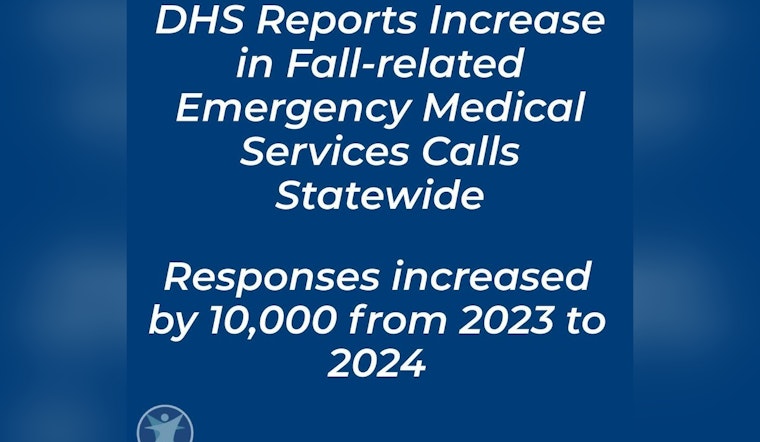
Wisconsin is grappling with a health issue that's hitting the ground hard—literally. The Department of Health Services (DHS) in the state has sounded an alarm about the sharp rise in fall-related emergencies, with over 140,000 such incidents in 2024, making up 21% of all ambulance runs, as per a recent report. This revelation dovetails with the ongoing Falls Prevention Week, striving to raise awareness and lower risks.
One standout fact to emerge from the DHS report is that fall responses at private residences jumped by 16,000 since 2018, a clear indication that more needs to be done to effectively prevent these tumbles from occurring in the first place. In a statement obtained by SFist, State Health Officer Paula Tran stated, "Falls remain a serious injury and health concern in Wisconsin, and EMS remain crucial in reducing the risk of death and disability due to a fall." This points to a pressing need for enhanced preventative measures and resources.
It's not just homes that are danger zones; nursing homes have also recorded a steep 285% increase in fall-related EMS calls since 2018 for cases that didn't require hospital transport. These figures aren't just statistics; they are indicative of the potential for long-term health issues, loss of autonomy, and in the worst cases, fatalities.
According to the DHS, Wisconsin Institute for Healthy Aging (WIHA) and its director, Jill Renken, emphasize that falls can be prevented. "We know what causes most falls, and we know how to prevent them," Renken told SFist. Efforts like improving home lighting, cutting down clutter, and ensuring necessities are within easy reach are simple yet effective steps towards prevention. Additionally, workshops like Stepping On or Pisando Fuerte are designed to help build strength and confidence, essential for staving off falls.
For those seeking more tailored support, Wisconsin's Aging and Disability Resource Centers (ADRCs) are a welcome beacon with locations in every county. These centers offer direct access to specialists ready to provide answers or make home visits to help mitigate fall risks. As the DHS reminds us during this crucial Falls Prevention Week, embracing such initiatives and resources is key to maintaining independence and safety for the state's aging population. More details about these programs and other preventive measures can be found on the DHS website.





