

























































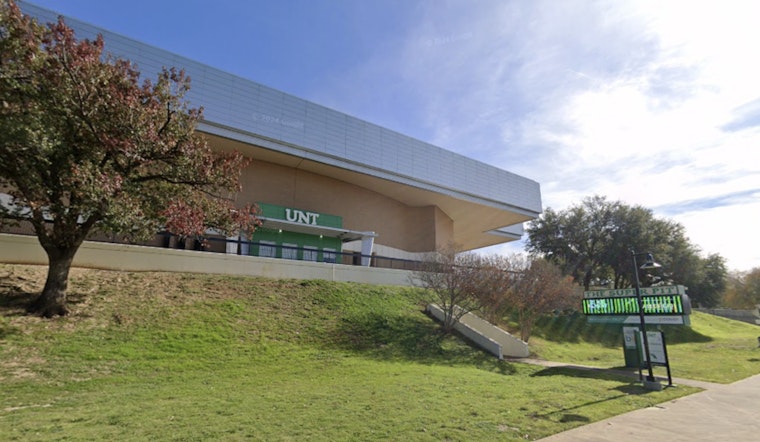
Attorney General Ken Paxton is stepping up to the plate at the University of North Texas, following reports that a student was apparently pushed out of a classroom for condemning the assassination of political figure Charlie Kirk. The incident in question occurred amidst a decidedly divisive environment at the university, where, following Kirk's death, certain students were expressing celebration rather than mourning. This reaction sparked a counter-response from a student advocating for respect and dignity, which seemingly led to her removal from the class.
The details around these events are murky, but what's clear is that Paxton is not about to quietly stand by. According to an article posted by the Texas Attorney General's Office, he has issued a letter to UNT demanding that it quickly act and investigate the matter thoroughly. Paxton also stated, "I will not remain silent when our so-called institutions of higher learning stifle free speech and encourage an atmosphere of political terrorism."
In the uproar following the assassination of Charlie Kirk on September 10, Paxton has positioned himself as a defender of what he deems upright discussion and a protector against what he describes as "terrorist sympathizers" celebrating such a grave political crime. The Texas Attorney General's Office has been vocal in its critique, asserting in its letter that universities should not be "incubators for radical left-wing ideology."
As of now, the University of North Texas has not publicly addressed the specific incident. Still, the allegations are that the faculty might actively involve themselves in penalizing the student who simply shared her dissenting viewpoint. Political tension on campuses is not a new phenomenon, but in the wake of a political assassination, the stakes are evidently higher, and the responses potentially much more disruptive.
It remains to be seen how UNT will respond to the Attorney General's demands. Paxton's request underscores the ongoing struggle about the role of universities in political discourse and the limits of free speech within academic boundaries. The situation at UNT is just another instance in a series of clashes witnessed on university campuses nationwide. However, it's a conflict that could set a precedent for how educational institutions handle issues of free speech and political polarization in the future.





