

























































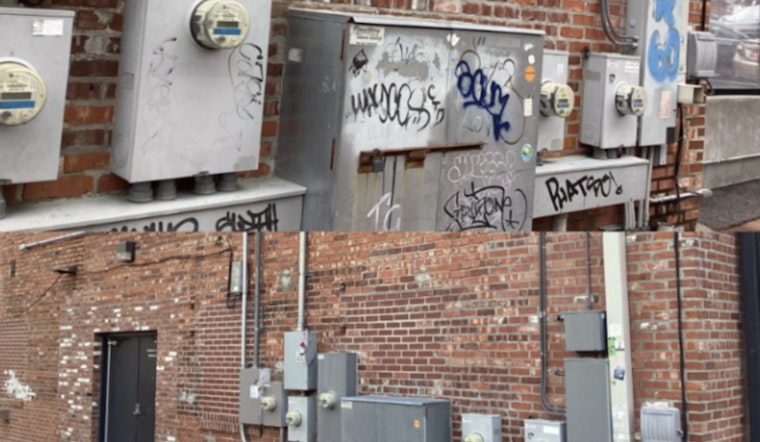
The city of Tulsa is seeing significant changes in its urban landscape thanks to its aggressive stance against graffiti. A new Downtown Graffiti Removal Program is scrubbing away the unsanctioned artwork from the city's walls, a move aimed at improving public safety and property values. Supported by a $250,000 Department of Justice grant, the program has seen over 40 properties cleansed of graffiti, with plans to tackle more than 100 additional sites in the near future, as reported by the City of Tulsa's Press Room.
Emphasizing the program's contribution to urban pride and investment appeal, Mayor Nichols said in a statement obtained by the City of Tulsa's Press Room, "This program is more than just cleaning walls - it’s about restoring pride in the heart of our city." However, given the influx of graffiti removal, there are concerns, not discussed in depth, that certain community voices expressed through urban art may be muffled in the process.
The removal initiative is not operated in a vacuum; it is a collaborative effort orchestrated by the City's Code Enforcement division, the Tulsa Police Department, and the Downtown Tulsa Partnership. According to the City of Tulsa's Press Room, their goal is not just to erase unauthorized markings but to safeguard visual clarity on traffic signs and maintain aesthetic standards for public infrastructure. "Graffiti on traffic signs, public infrastructure, and roadways isn't just an eyesore - it's a public safety issue," Council Chair Phil Lakin, Jr., explained, acknowledging the grant that allows the city to take action against graffiti vandalism.
These efforts are not without recognition of the city's appetite for legitimate street art. President & CEO of Downtown Tulsa Partnership, Brian Kurtz, noted the unfortunate dual nature of paint cans – how they can equally create masterpieces and mar private property, told the City of Tulsa's Press Room. He emphasized the importance of celebrating creativity through proper channels and murals that express community spirit. According to the program's metrics, the dedicated teams can remove between 4,000 to 10,000 square feet of graffiti each week, an amount not insignificant in the preservation of Tulsa's cityscape.
The Tulsa City Council has backed these clean-up operations with designated funds, ensuring continued operations with new positions and equipment. Adding to this, a partnership with the Oklahoma Department of Transportation is in the works, which will extend the reach of graffiti eradication to some state-maintained properties in Tulsa. Tulsa residents are also part of the equation, with the city urging them to report graffiti through various channels, including the Tulsa 311 app, ensuring the city remains a canvas for lawful expression and beauty, not vandalism.





