

























































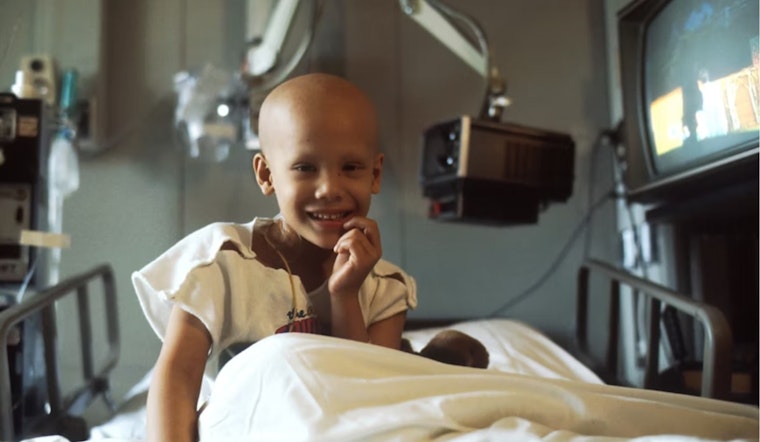
Cancer survivors face an array of long-term health challenges that persistently affect their quality of life, a fact that is often overshadowed by the initial victory over the disease. Alique Topalian, a research scientist at the University of Cincinnati, presented stark findings at the 2025 American Society of Clinical Oncology Annual Meeting, spotlighting this under-discussed aspect of cancer survivorship. Drawing from personal battles with acute myeloid leukemia since age 4, Topalian illuminates the ongoing struggles survivors endure, ranging from secondary health conditions to what resembles accelerated aging.
The University of Cincinnati Cancer Center revealed that Topalian, despite overcoming leukemia, has faced a barrage of health issues including an immunoglobulin deficiency, high blood pressure, and unexplained fevers. Her experiences underscore a hidden toll, as survivors grapple with the late effects of rigorous treatments they underwent during their formative years. At the heart of her research is the emphasis on the necessity of specialized care for survivors, a call to reevaluate our healthcare systems to extend support beyond successful treatment.
Topalian's study found a striking prevalence of chronic health conditions among those treated for adolescent and young adult cancers. Among patients seen in the oncology primary care clinic, 60% had cardiovascular conditions and 14% were diagnosed with a second primary malignancy. These startling statistics, along with the recognition of neurological, endocrine, and psychological comorbidities among survivors, compel a shift in the post-treatment paradigm of care. "When we're living decades posttreatment, we need providers who know how to handle [what] might happen," Topalian told Medscape via UC News. "A lot of us don't even know what might happen."
The conversation Topalian has initiated questions the readiness of current medical practices to support the full scope of cancer survivorship. Her work encourages a holistic approach to care, ensuring that individuals who beat cancer as youths receive appropriate attention as they age. Her push for integrating survivorship into primary care invites contemplation on how to provide consistent, informed healthcare that addresses not just the specter of cancer relapse, but also the spectrum of latent health issues that may emerge long after the initial diagnosis. It's a reminder that surviving cancer is only the beginning of an arduous, often invisible journey.





