

























































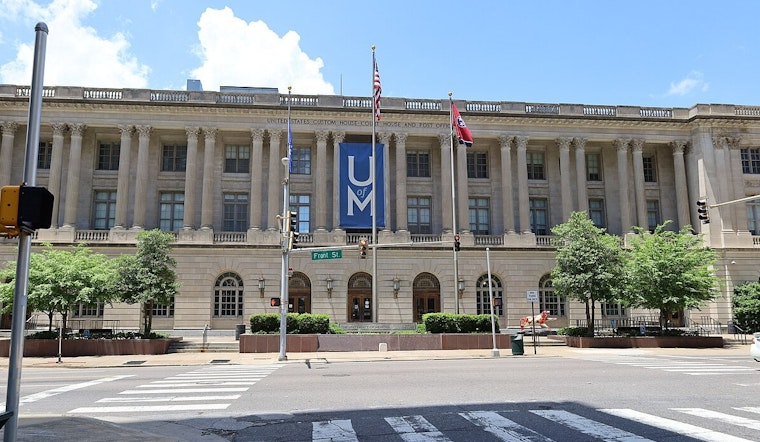
The University of Memphis has reported a rise in freshman class enrollment for the Fall 2025 semester. Freshman numbers tallied at 2,044, marking a 4.3% hike from the preceding year, signaling an upward trend amidst efforts to boost academic prowess and student retention. This data arrives on the heels of the university's strategic plan, labeled ‘Ascend,’ aimed at bolstering both enrollment figures and educational quality.
The surge in new students is attributed partly to a five percent uptick in new Tennessee students, and significantly to a substantial 31% rise in new Law students, as noted by Action News 5. Adding to this growth was also a five percent increase in dual-enrollment students – those taking classes ahead of their official freshman year. The university informs that over a quarter of the freshman class, precisely 26%, took advantage of the dual-enrollment courses at the University of Memphis before commencing their full-time education.
Stability is also part of the narrative, with the overall student body holding steady at 19,652, as reported by both WREG and FOX13 Memphis. These figures come despite the university raising admission standards, which did not deter applicants; 77% were accepted this year.
"We were delighted to see first-time freshmen numbers increase this fall. The UofM's accomplishments over the past year through continued investment in scholarship and student success initiatives are gaining momentum, and having positive impacts on our enrollment profile," Dr. Brian Meredith, vice president of Enrollment Management at the University of Memphis, told FOX13 Memphis. Notably, the fall class notched an average GPA of 3.63, a record high since the university began keeping this statistic in 2004. This academic milestone is predicted to positively impact the retention and success of students in the long term.
As the University of Memphis looks ahead, the figures reinforce an optimism about the direction of its educational offerings and the quality of its incoming students. The institution's strategic strides appear to be not only in drawing a larger body of pupils, but in cultivating an environment ripe for academic success and long-term student achievement.





