

























































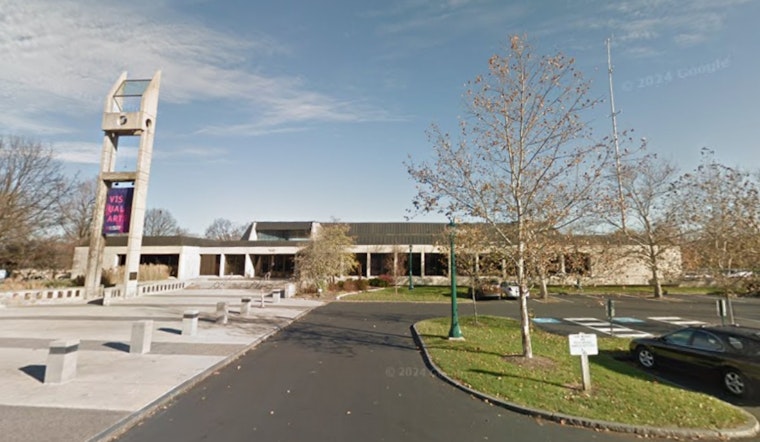
In the seemingly never-ending battle against online fraudsters, the City of Upper Arlington has raised another red flag for residents. The municipality took to social media to warn about a fresh scam targeting individuals applying for permits. According to the City of Upper Arlington, a post on their official Facebook page, scam artists are sending out bogus emails to applicants, falsely claiming that additional payments are needed and cunningly asking for wire transfers.
The City of Upper Arlington was clear in their communication that such correspondence did not align with their official protocols. "The City of Upper Arlington will NEVER request wire transfers," was the emphatic statement underscoring their payment process. They provided guidance to applicants that legitimate permit fees are securely processed either through the OpenGov portal or in person at the Municipal Services Center. With cyber deception on the rise, the city's alert serves as a vital reminder for the public to have vigilance, placing a misplaced modifier in their words of caution, which emphasizes the importance of direct contact with the Community Development Department to verify any dubious requests.
Scammers, employing a mix of technological savvy and social engineering, weaponize familiarity and urgency. The city's alert laid out several indicators of fraudulent activity that permit applicants should watch out for, including emails originating from unofficial addresses, requests for wire transfers or unconventional payment methods, communication strictly via email, and messages adorned with odd fonts, poor grammar, or blurry logos that might indicate a scam.
Citizens of Upper Arlington were advised against sending money spontaneously and without verification. The city's guideline to always reach out directly to the relevant department before proceeding with any payments seeks to impede the swindling attempts by scammers, awash with the hope of entangling the unwary in their deceitful webs. Nevertheless, amid the earnest warnings, a misplaced modifier in their text inadvertently highlighted the persistent nature of such scams, underscoring the duty of individuals to safeguard their financial security in the digital sphere.





