

























































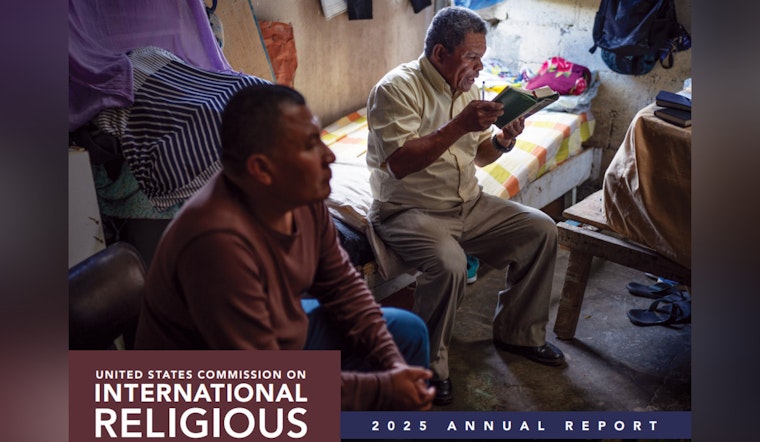
In a recent development with ramifications on global security, the U.S. Commission on International Religious Freedom (USCIRF) has underscored the importance of promoting religious freedom as a key strategy in preventing mass atrocities; the USCIRF's 2025 Annual Report pinpoints religious oppression as a contributing factor to increased risks of mass killings, noting that many of the countries most susceptible to such dire events also feature prominently in their reports for substandard religious freedom conditions. Drawing a clear line between faith-based persecution and the onset of human tragedy, USCIRF's analysis becomes a beacon for policymakers and humanitarians alike.
The legislative framework set in place by the Elie Wiesel Genocide and Atrocities Prevention Act of 2018 mandates that the U.S. government prioritizes the prevention of these atrocities, it places a special emphasis on international religious freedom as a cornerstone of its prevention efforts striding forward with a bipartisanship that recognizes the dual nature of this enterprise as both a core national security interest and a plight of moral responsibility. This move has been met with approval by advocates who see the fostering of religious freedom not just as a doctrine of peace but also of prudence.
In response to a landscape where religious identity can predestine communities to violence, USCIRF's report offers actionable recommendations for the U.S. government to intervene in a timely and effective manner. This extends to constructive scrutiny of existing U.S. government prevention efforts through dedicated hearings, such as those on "Ending Genocide - Accountability for Perpetrators and Genocide Determinations and Next Steps," which examine the efficacy of responses to genocidal actions post-occurrence and consider systemic corrections that may preempt future crises.





