

























































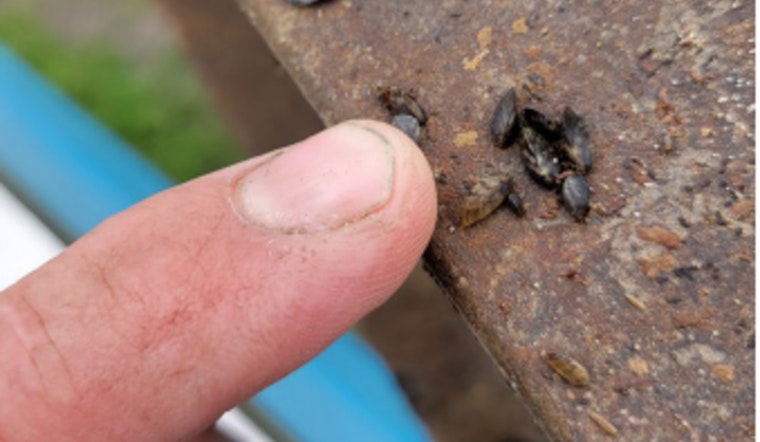
The silent but relentless advance of invasive species has again made headlines, this time with the confirmation of zebra mussels in Cedar Lake, near New Prague in Scott County, as reported by the Minnesota Department of Natural Resources (DNR). These findings surfaced after a lake service provider, on July 16, informed the DNR of zebra mussels clinging to a dock, prompting a closer examination of the waters. Although a subsequent search initiated two days later by a contract diver did not turn up any adult zebra mussels, the detection of zebra mussel larvae, known as veligers, in water samples from July 29 made it clear that a reproducing population has established itself; thus, Cedar Lake is now officially listed as infested.
While the search for additional adults came up empty, the discovery of veligers is indicative of the mussel's proliferation, a development that raises alarm bells for the local ecosystem and necessitate measures to curb their spread, Scott County Natural Resource staff and the DNR are collaborating to assess protective strategies for the waters downstream of the lake, this problem underscores the broader struggle against aquatic invaders in Minnesota waters. According to official announcements, Minnesota law compels watercraft enthusiasts to engage in preventive behaviors, including cleaning, draining, and drying boats and equipment, alongside disposing of unwanted bait properly.
Efforts to curb the spread of invasive species such as zebra mussels also include decontaminating watercraft and equipment at free stations, which are listed on the DNR's courtesy decontamination page. High-pressure water is recommended for spraying down boats and equipment, with an alternative of rinsing with hot water if the former isn't accessible, and with an additional advisory to dry everything for at least five days before any other water body receives the possibly contaminated materials. The importance of these measures is underscored by the resilient nature of zebra mussels, which can cling to various surfaces and survive out of water for several days.
Residents and visitors alike are encouraged to remain vigilant and to report any sightings of zebra mussels or other invasive species that haven't been previously identified in state waters. The DNR's aquatic invasive species page offers more details and resources on how to spot and report these ecological threats. By complying with state regulations and adopting conscientious practices, individuals play a critical role in preserving Minnesota's delicate aquatic ecosystems from the insidious threat of invasive species like the zebra mussel.





