

























































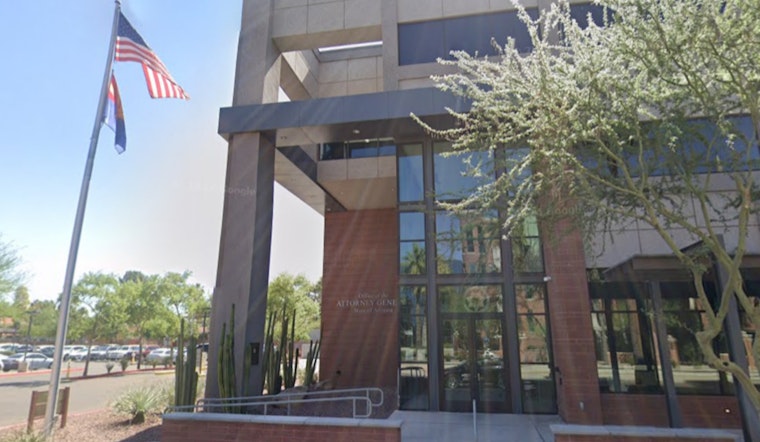
Attorney General Kris Mayes has stepped into the legal arena alongside counterparts from 21 states in a lawsuit against the U.S. Department of Justice (DOJ) over new limitations on vital funds that traditionally aided survivors of violence, as reported in a recent announcement. These restrictions are particularly contentious as they would prevent the use of Victims of Crime Act (VOCA), Byrne Justice Assistance Grants (Byrne JAG), and Violence Against Women Act (VAWA) funding to assist undocumented immigrants, setting the stage for a legal clash over constitutional law and immigration policy.
According to the legal documents made public, the coalition deems new DOJ mandates, which suddenly disallow utilizing VOCA, VAWA, or Byrne JAG grants to provide legal services to undocumented immigrants, as unconstitutional. This new rule could trigger a domino effect which threatens to unravel the support framework for victims, is supposed to take effect on October 31, 2025. These programs have operated for decades without discriminating based on immigration status, furnishing a broad range of services including legal aid, housing assistance, and medical bill compensation, amongst others. The alteration in policy could leave many in legal limbo while also striking at already vulnerable communities.
Attorney General Mayes said, "The Trump administration likes to pretend they support crime victims – but from slashing critical survivor resources to ignoring the victims of Jeffrey Epstein, they've proven they do not stand with victims or with the rule of law," underscoring a discordant shift in federal approach towards marginalized survivors. The intended funding structure stands at odds with the generous spirit in which the funds were historically allocated, potentially pitting law enforcement against those they serve by coercing service providers into immigration status gatekeepers, thus wounding the trust painstakingly built between communities and law enforcers over the years.
The attorneys general are pushing back hard and their coalition argues in their filing that the new restrictions are not simply divisive but unlawful, citing violations of the Constitution's Spending Clause with retroactive and nebulous conditions attached to already issued grants; in a statement obtained by azag.gov, they also claim the DOJ's actions break with the Administrative Procedure Act by failing to properly justify the abrupt policy shift and neglecting the potential harm to survivors and providers, which could have deep lingering effects that may reverberate for years to come.
Joining forces with Arizona's Mayes in the lawsuit are Attorney General Letitia James of New York, Phil Weiser of Colorado, Kwame Raoul of Illinois, Peter Neronha of Rhode Island, and others, including representatives from California, Delaware, Maine, Maryland, Massachusetts to name a few - forming a robust front in defense of the rights for all crime survivors to access critical services irrespective of their immigration standing. This lawsuit symbolizes a collective resistance against a policy seen as a backward step in the fight for crime victims' fundamental rights.





