

























































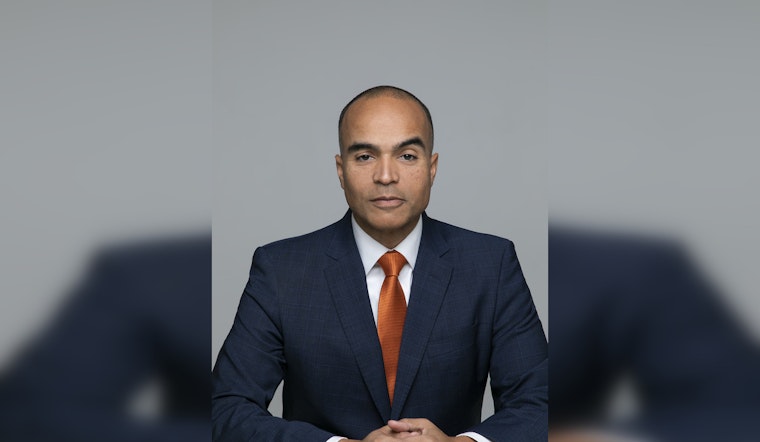
Attorney General Nick Brown has marshaled a coalition of 24 attorneys general and governors to oppose President Trump's deployment of the National Guard in Oregon. According to a recent press release, this legal alliance has filed an amicus brief in support of Oregon, which contends that Trump's militaristic foray into civil law enforcement is both illegal and a dangerous precedent.
The coalition's response comes after U.S. District Judge Karin Immergut, appointed by Trump himself, issued a temporary restraining order against the administration's action — slamming the move as factually baseless and a potential erosion of the separation between civilian and military spheres. As reported by the Attorney General's office, Brown fiercely criticized the administration's maneuver, declaring, “Every day we’re witnessing tactics by the President of the United States that have been used by fascist leaders across the world — sending the military into cities, threatening to jail political opponents and trying to intimidate into silence the media, academia, law firms and any other perceived critic." He highlighted concerns that the president's illegal use of the military exacerbates safety issues and threatens constitutionally protected activities.
Central to the amicus brief is the argument that the military must remain subordinate to civilian authority, a cornerstone of the nation's rule of law. The states involved in the filing assert an interest in preserving the crucial services their National Guards provide — such as disaster response and cybersecurity support — which are compromised by their unlawful federalization. This unprecedented action pulls volunteer service members from vital roles and disrespects the sovereignty and will of the states and local communities.
Beyond Oregon, state attorneys general, including Brown, are preparing to counteract potential illegal federal overreach into other jurisdictions like California and the District of Columbia. "This unlawful federalization pulls volunteer service members away from performing vital services, and states are not in a position to replace them," Brown emphasized, as the Attorney General's Office outlined the broader implications of the administration's deployment strategy. The bipartisan brief is co-led by the Attorneys General of Washington and Maryland, with a myriad of other states joining, including those led by both Democratic and Republican governors.





