

























































Once routine administrative appointments, ICE check-ins in New York City have transformed into fear-laden events where immigrants arriving to comply with federal requirements face an uncertain outcome—freedom or detention. The shift marks a dramatic escalation in enforcement under the Trump administration, turning what were previously brief document reviews into high-stakes encounters that can end with families torn apart and immigrants swept into a sprawling detention system.
This changed reality hit home for Joseph, a 52-year-old Venezuelan immigrant who has lived in the United States for over two decades and was the focus of a recent Gothamist exposé. Before his recent check-in at 26 Federal Plaza in Lower Manhattan, he spent sleepless nights preparing for possible arrest, scribbling down emergency contact numbers with shaking hands and leaving a spare apartment key with his pastor. "I'm trying to block all the bad thoughts, but deep inside I'm still afraid," Joseph told Gothamist before entering the towering federal building.
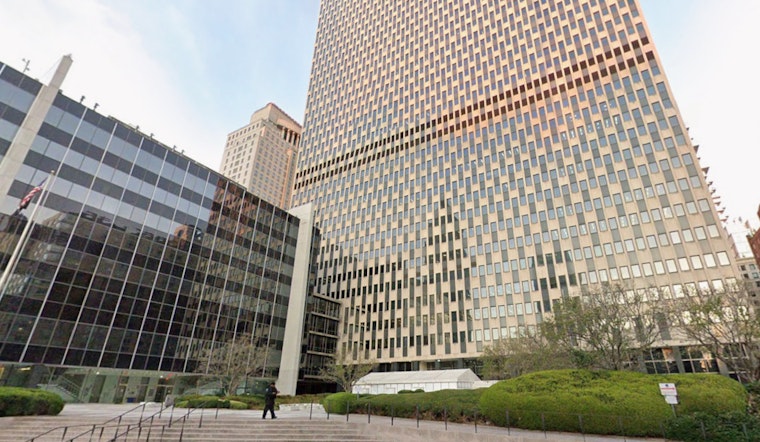
The 41-story Jacob K. Javits Federal Building has become the epicenter of immigration enforcement in New York City. Immigrants and their advocates describe a nightmarish transformation of the building's first-floor ICE check-in office, where what used to be 15-minute administrative appointments now carry the threat of immediate detention, according to THE CITY. The changes began in earnest in May 2025, when masked ICE agents started systematically arresting people at both check-ins and immigration court hearings.
From Routine to High-Risk
Immigration attorneys across the city report dozens of clients detained during what were supposed to be routine check-ins—a practice that penalizes immigrants for complying with federal requirements. "It really is a travesty," Murad Awawdeh, president and CEO of the New York Immigration Coalition, told Gothamist. "You tell people to follow the process, and following the process is going to ensure that when your time comes, you have the opportunity to move forward."
The detentions aren't limited to immigrants with criminal records. Many of those arrested during check-ins have lived in the country for decades without criminal histories, lawyers say. Robert Tsigler, a New York City attorney whose firm has handled between five and 10 such cases, confirmed the trend. The nonprofit New York Legal Assistance Group has taken on dozens of clients detained at check-ins since Trump returned to the White House, according to Melissa Chua, director of the organization's immigration practice.
Federal data analyzed by THE CITY reveals the dramatic scale of the crackdown. ICE agents in New York arrested 992 people for civil immigration violations through early June—representing 49% of all immigration arrests this year. The agency increasingly focused on detaining immigrants without criminal history since May, data shows, with two days in early June recording more than 110 arrests each day, the highest single-day totals in nearly two years of data.
The Elk Street Dragnet
The enforcement surge reached a new level of aggression in early June, when ICE turned a private contractor's check-in office into an arrest operation. At 7 Elk Street in Lower Manhattan, immigrants appearing for appointments with BI Inc.—a subsidiary of private prison giant GEO Group—found themselves suddenly detained. Reporters for THE CITY witnessed agents hauling away 16 people in handcuffs on June 3 alone, with at least 15 more arrested the following day.
The operation appeared coordinated and systematic. Several immigrants told Gothamist they received urgent messages Monday evening via BI's phone app instructing them to appear either Tuesday or Wednesday—a stark departure from the typical weeks of advance notice. Some were even told to bring their children. The office coordinates an alternative-to-detention program where immigrants appear for regularly scheduled check-ins rather than face imprisonment in detention centers.
Outside the nondescript basement office, scenes of anguish unfolded as families waited to see if loved ones would return. Ambar Mujica Rodriguez sobbed as her husband Jean Mawer Enciso Guzman was escorted into a federal vehicle by masked agents. Their 12-year-old daughter tried to intervene. "I can't. Please don't go," Rodriguez cried out, as reported by Gothamist. One woman collapsed onto a curb after her friend was detained, saying in Spanish: "No one should come here."
Behind the Walls of 26 Federal Plaza
Those arrested at check-ins are often taken to holding cells on the 10th floor of 26 Federal Plaza, where conditions have sparked legal challenges and congressional investigations. Video footage obtained by the New York Immigration Coalition and first reported by THE CITY showed dozens of men packed into cells designed for short-term holding, sleeping on filthy floors with no beds, showers, or adequate medical care.
ICE detention data analyzed by THE CITY reveals people were held an average of 58 hours on the 10th floor during May and June—far exceeding the 12-hour limit for holding rooms. On June 5, 180 people were detained there simultaneously. At least 17 people held at 26 Federal Plaza were rushed to hospitals between May and late June, with one spending at least 18 days hospitalized.
"People who were inside and detained there for days and sometimes weeks at a time without a shower, without a change of clothes, having to sleep on the floor, with minimal food and minimal outside contact," Awawdeh told THE CITY. "It's all true."
Despite the documented conditions, Department of Homeland Security Assistant Secretary Tricia McLaughlin has repeatedly denied that the 10th floor functions as a detention facility. "26 Federal Plaza is not a detention center. It is a Federal building with an ICE law enforcement office inside of it," McLaughlin stated, according to the New York Immigration Coalition. She also claimed that "any claim that there is overcrowding or subprime conditions is categorically false."
Legal and Political Pushback
The conditions and enforcement tactics have triggered multiple legal challenges. In August, immigrants detained at 26 Federal Plaza filed a class-action lawsuit alleging inhumane conditions and denial of access to legal counsel, as reported by the New York Attorney General's office. New York Attorney General Letitia James filed a brief supporting the plaintiffs, arguing that detainees are crowded into rooms with only a single toilet and sink, receive just two meals per day, and have no access to beds or sleeping mats.
"The abhorrent treatment of immigrants at 26 Federal Plaza is illegal and it must stop," James said in a statement. "No one should be held in horrendous conditions for days in unfit and unsafe facilities."
A federal judge partially sided with detainees in August, issuing a temporary restraining order that dramatically limits how many people ICE can hold at 26 Federal Plaza by requiring more space per person. The order, which THE CITY reports was extended through September 9, coincided with a noticeable dip in courthouse arrests—though attorneys note this may also reflect fewer people showing up to court out of fear of detention.
Congressional representatives have also faced obstacles in their oversight efforts. U.S. Representatives Nydia Velázquez, Adriano Espaillat, Dan Goldman, and Jerry Nadler have been repeatedly denied access to inspect the 10th-floor detention area, according to the New York Immigration Coalition, despite federal law granting them authority to conduct unannounced inspections of detention facilities.
A Broader Enforcement Strategy
The check-in detentions represent just one component of a wider enforcement strategy under the Trump administration. In July, ICE issued a directive eliminating bond hearings for most undocumented immigrants facing deportation, according to NPR. The policy requires immigrants to remain detained throughout their entire removal proceedings—even those who have lived in the U.S. for decades with deep community ties and no criminal records.
The administration has also expanded use of "expedited removal," a fast-track deportation process that allows DHS personnel to order removals in as little as a few hours without judicial review. The process, historically limited to recent border arrivals, has been applied to longtime U.S. residents and those with pending asylum cases, according to the Migration Policy Institute. In New York, 287 people were facing expedited removal as of June—compared to just 33 during the same period in 2024.
Congress recently approved $45 billion to expand ICE's detention capacity to 100,000 beds per day, along with $30 billion for arrest and deportation efforts, as reported by THE CITY. The funding represents an unprecedented expansion of immigration detention infrastructure.
Statewide Impact
The enforcement surge extends well beyond New York City. Seven county jails across New York State booked nearly 2,800 people arrested by ICE in the first seven months of 2025—a nearly sixfold increase from the 500 booked in New York jails during all of 2024, according to New York Focus. Since February, Allegany, Broome, Montgomery, Nassau, and Niagara counties joined Orange and Clinton counties in housing ICE detainees.
More than half of those detained in New York jails—and 62% in Nassau County—had no criminal charges or convictions, federal data shows. Many arrested in New York eventually end up transferred to detention facilities in southern states like Texas or Louisiana, according to immigration attorneys interviewed by New York Focus.
The Human Cost
For Joseph, his recent check-in ended without arrest—for now. After an hour waiting in the crowded lobby and about 15 minutes with an ICE officer, he was told he could remain free. But the relief was tempered: instead of the usual year between check-ins, he was instructed to return in six months. Immigration attorneys say this shortened interval is increasingly common as ICE requires more frequent check-ins.
"You can be sweet with your mouth and at the same time stab you, you know?" his pastor, Rev. Juan Carlos Ruiz, said in the car ride home, according to Gothamist. Joseph, who had previously spent nearly two years in prison for identity fraud and another two years in ICE detention, said the lead-up to check-ins brings back traumatic memories. "When you come out of detention, you feel broken," he said. "Then those thoughts are coming back again."
Joseph's experience reflects a calculated toll on immigrant communities. The threat of detention during check-ins creates impossible choices: skip the appointment and face deportation orders, or attend and risk immediate arrest. Some immigrants, like Joseph's Chinese friend, have decided the risk is too great and stopped attending altogether.
"What should be an easy process now can be the beginning of a nightmare," Elora Mukherjee, director of the Immigrants' Rights Clinic at Columbia Law School, told Gothamist. Her clinic is representing two asylum-seekers detained at ICE check-ins in Newark.
Why This Story Matters Now
While the surge in check-in detentions began in May and June, the practice continues to reshape immigrant life in New York City. With Joseph's story published today by Gothamist, it provides a window into the ongoing anxiety thousands of immigrants face as they navigate mandatory appointments that have transformed from routine bureaucratic exercises into potentially life-altering encounters.
The issue carries broader significance for New York's economy and social fabric. Undocumented immigrants account for nearly one in 20 workers in New York City and pay approximately $6.7 billion in federal and state taxes, according to the Attorney General's office. Families that lose wage-earning parents or relatives to immigration detention face substantially greater risk of losing housing and being unable to pay for basic needs.
As enforcement continues and legal challenges work through the courts, immigrants like Joseph face an uncertain future measured in six-month intervals—each check-in carrying the possibility that compliance with the law could end their freedom.





