

























































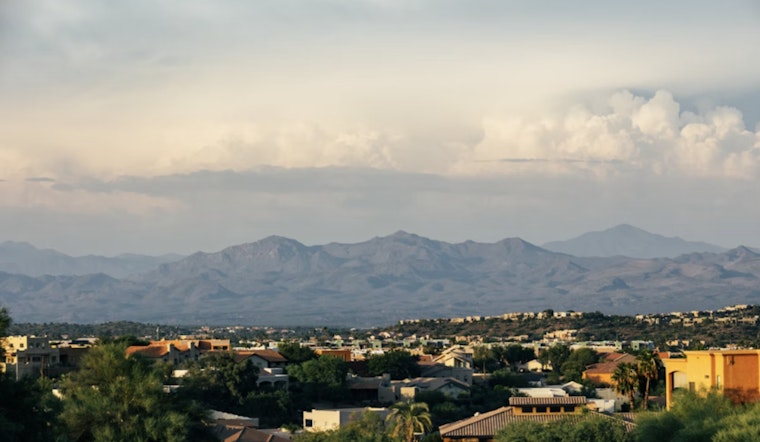
Arizona's housing crisis has become increasingly apparent as recent studies have illuminated the dire situation many residents are facing. The once affordable living conditions in the Grand Canyon State have slipped away, leaving behind an economic landscape where the cost of a roof over one's head is a towering barrier for the masses. According to a Phoenix New Times report, over the past decade, rents and home prices have soared, with average rent for a two-bedroom apartment hitting $1,671 and the typical home price ballooning to $434,797.
Hitting close to home for nearly every Arizonan, a Center for the Future of Arizona study found that nearly 85% of state voters find the cost of housing “too high.” Furthermore, the repercussions of these unmanageable costs aren't merely confined to personal budget spreadsheets—they ripple throughout the state's economy. The same study suggests creating affordable housing would not only alleviate financial burdens on families but could also spawn over 126,000 new jobs. Remarkably, while addressing the affordable housing shortage, the state is grappling with a labor market paradox, with job openings roughly matching the number of unemployed job-seekers, as Phoenix City Councilmember Anna Hernandez voiced concerns about the variety in homes being constructed, which was not enough.
On the brink of exasperation, the findings of a new Arizona State University study, presented at a recent Housing and Water Policy Summit, outline the severity of the crisis. The cost of living now surpasses the national average. Signs of the times are reflected in home ownership rates that took a 22% nosedive compared with the previous year, not to mention the manufactured homes market, traditionally a bastion for affordability, saw prices leap by 80% from 2017 to 2022. This tandem of astronomical home values and stagnating incomes is giving low- and moderate-income individuals the short end of the stick, remarked Alison Cook-Davis, research director at the Morrison Institute for Public Policy.
The Arizona State University Morrison Institute's report also shone a light on the rental market, where the pains are no less acute. An average employee in Arizona, earning a median wage, can now only dream of affording a one-bedroom apartment at just 39%, a harsh testament to the income disparity that leaves the average rental price out of reach for many. "Another way of looking at that is that people with low incomes would need to work 76 hours a week in order to afford a one bedroom," Cook-Davis explained, highlighting the unsustainable grind required to meet basic needs. This chasm between earnings and housing costs is proving to be a robust hurdle in achieving the American dream of a stable home.
While remedies are afoot with legislation like the casitas bill and other housing reforms, progress is tempered with criticism and caution. Federal proposals, such as Senator Mark Kelly's ROAD to Housing Act, strive to ease the path to homebuilding. Still, challenges from tariffs on imported lumber to immigration policies affecting the workforce add layers of complexity to an already intricate issue. And, as Kelly told Phoenix New Times, without a sufficient workforce to fill these roles, job creation alone won't provide the panacea for Arizona’s housing crisis.





