

























































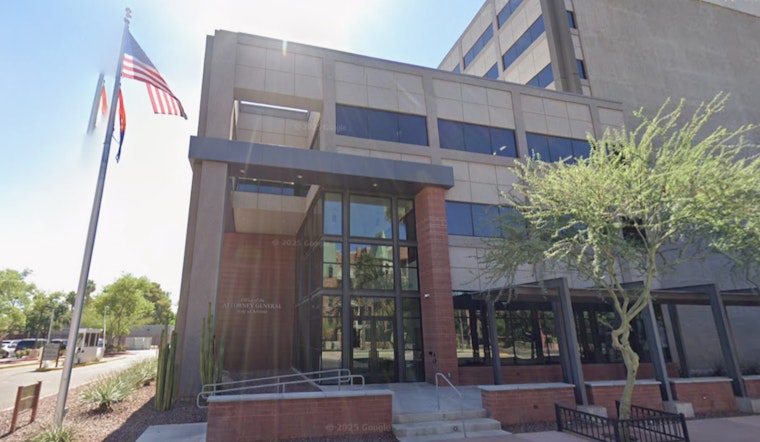
Attorney General Kris Mayes and colleagues from 22 other states made a united call for the Supreme Court to weigh in on a decision that could potentially impact the enforcement of voting rights in America. In a brief filed in the case Turtle Mountain Band of Chippewa Indians v. Howe, the coalition of attorneys general pled for a review of a ruling that currently blocks individuals from suing under Section 2 of the Voting Rights Act (VRA). This key provision of the VRA, designed to prohibit discriminatory voting practices, has traditionally been actionable by private citizens as well as the U.S. Attorney General.
Emphasizing the significance of the provision, Attorney General Mayes declared, "I'm proud to defend an individuals' right to protect themselves from discrimination while voting." According to a statement released yesterday, October 6 by the Arizona Attorney General's office, the attorneys general aim to uphold almost 60 years of legal precedent allowing lawsuits from private citizens to enforce Section 2 against racially discriminatory policies.
The crux of the issue stems from a lawsuit challenging North Dakota’s legislative map filed by individual voters and two tribes, which initially succeeded at the district court level. The United States Court of Appeals for the Eighth Circuit overturned this victory, ruling that offenses against Section 2 of the VRA can no longer trigger private lawsuits. Attorney General Mayes' coalition argues, pointing out the U.S. Attorney General alone lacks the resources to effectively monitor and enforce voting rights nationwide. Encapsulating their stance, the brief states, private citizens have initiated over 90% of all Section 2 challenges between 1982 and 2024, which amounts to 1379 of 1519 cases, whereas the U.S. Attorney General has brought only 114 during the same period.
Moreover, the coalition fears politicization, noting dependence on a single federal official could make enforcement of Section 2 subject to political winds and vary with different administrations. Such a concentration of power, as indicated by the brief, "should not vary based on political administrations" and undermines the urgent nature of Section 2 challenges often tied to impending elections, as per the Arizona Attorney General's Office website. Without the private right to sue, Americans would face the possibility of watching election dates approach without assurance their rights would be protected.
Minnesota Attorney General Keith Ellison spearheaded the brief, with support from Mayes and others. The attorneys general highlighted the deterrent effect a private right of action brings to enforcing the VRA, suggesting that its absence could embolden states to implement restrictive voting laws without fear of immediate challenge.





