

























































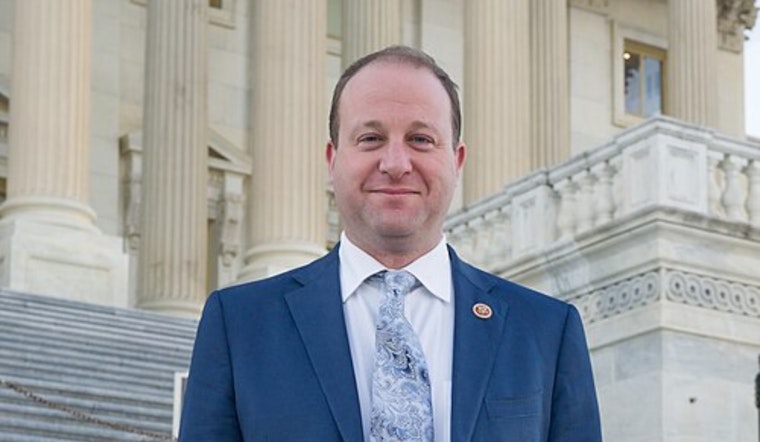
Amidst the federal government shutdown that has left many questioning the impact on local services, Governor Jared Polis, in coordination with the Joint Budget Committee (JBC), has taken measures to ensure that Colorado's most vulnerable do not bear the brunt of Washington's stalemate. In a recent update, the Governor addressed the immediate ramifications faced by Colorado residents, particularly noting the state-funded stopgap for the Special Supplemental Nutrition Program for Women, Infants, and Children (WIC) as federal funds dried up on September 30. The emergency supplement, approved by the JBC, draws from Colorado's General Fund to cover up to one month of WIC benefits, which, according to the Colorado Governor's Office, was a unanimous and swift action intended to prevent a gap in essential nutrition assistance for women and children.
While the stopgap is undoubtedly a lifeline for recipients of WIC, Governor Polis expressed concerns over the long-term effects of a prolonged shutdown he emphasized that, if the shutdown continues, the state's ability to shield its citizens from federal inaction will reach its limits, as he urged Republican leaders, who currently control the federal government, to bring an end to the shutdown, failing which, according to Polis, the consequences will be dire. Noting the particular risk to health care coverage, Polis has been candid about the strain on state services and the abrupt disquiet that accompanies the void of federal support; he also highlighted efforts to maintain the openness of Colorado's national parks, which, during the autumn months, serve as significant draws for both locals and tourists alike.
In light of the ongoing closure of federal institutions, Colorado's eight fee-collecting National Parks remain operational, albeit with visitor centers and historic structures closed to the public. The use of fee revenues, as directed by the Federal Lands Recreation Enhancement Act (FLREA), is a temporary fix to keep the parks accessible, according to the Colorado Governor's Office. Furthermore, Governor Polis indicated that the National Park Service has instructed park managers to devise methods for accepting donations, as needed, which could potentially extend the period of continued park operations during the funding drought. These parks, steeped in natural beauty and heritage, thus remain open to visitors for now, with the contingency plan of local and state support on standby.
Another pressing issue related to the federal shutdown is Colorado's healthcare landscape, with nearly a quarter-million Coloradans facing the prospect of steep premium increases, between 114% to 300%, and up to 75,000 at risk of losing coverage if the Enhanced Premium Tax Credit (EPTC) lapses, a situation Governor Polis has sought to stave off by urging the federal delegation since June. Despite local efforts, such as bolstering the state's reinsurance program and rallying conversations among community leaders, the decision lies in the national arena, with insurers' rate finalizations for the upcoming open enrollment period being closely watched. As Governor Polis pointed out, without congressional action, the financial burden on Colorado's families could become untenable.



