

























































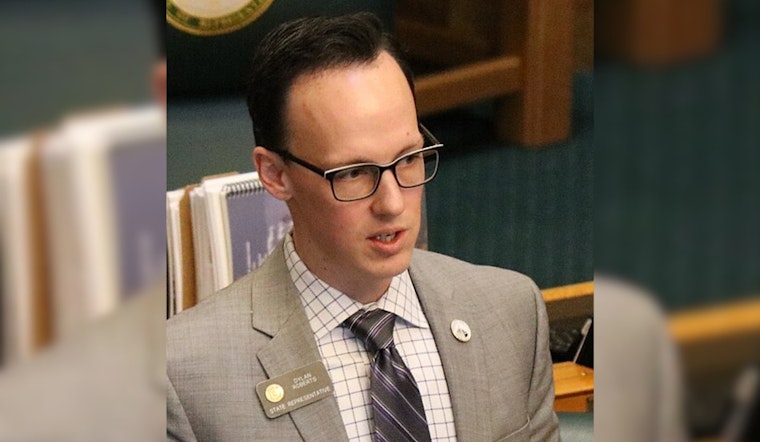
Senator Dylan Roberts and Representative Karen McCormick have voiced their disapproval of President Trump's comments, indicating a push to import more Argentine beef into the United States. The statement was a response to Trump's remarks over the weekend, suggesting that increasing imports could lower the cost of beef for American consumers. In their reaction obtained by Colorado House Democrats, the two Colorado legislators emphasized the adverse effects such a move could have on local cattle producers.
In their joint statement, Senator Roberts, who chairs the Senate Agriculture & Natural Resources Committee, and Representative McCormick, of the House Agriculture, Water & Natural Resources Committee, did not mince words: "President Trump's so-called 'America First' policies and his reckless trade wars are hurting Colorado's hardworking farmers' and ranchers' bottom line," as per Colorado House Democrats. Highlighting the potential chaos and undercutting of the domestic cattle industry, the statement pointed out that the suggestion to purchase more beef from Argentina would disrupt U.S. beef markets and harm the cattle producers in Colorado, who have, in some cases, been in this trade for generations.
The legislators' concerns are rooted in the current economic climate, where the Bureau of Labor Statistics has reported that beef prices in the U.S. have reached record highs. Factors such as smaller herds, disease, and tariffs have played a significant role. Moreover, Trump's trade wars have not spared soybean farmers, with a significant drop in exports to China following heightened tariffs and trade tensions. These factors collectively contribute to the economic stresses facing American agricultural producers.
Colorado's position as a leading cattle producer is well established, with 2.7 million head of cattle raised across the state. Cattle production is the state's top agricultural commodity and, according to Colorado Cattlemen's Association, the loss of beef exports could result in significant job losses and economic downturn, estimated at 265 jobs and $80 million of economic output. The Trump Administration's economic policies, including tariffs that soared to a near-century high of 8.2 percent in Q2, as reflected in the September economic forecast by Legislative Council Staff, continue to raise prices for consumers.
The strong stance taken by Roberts and McCormick underscores a broader disagreement with the current administration's approach to trade policy. By throwing their support behind Colorado farmers and ranchers, they are calling for a reassessment of the national strategy that would genuinely prioritize American agricultural interests and allow rural communities to flourish.





