

























































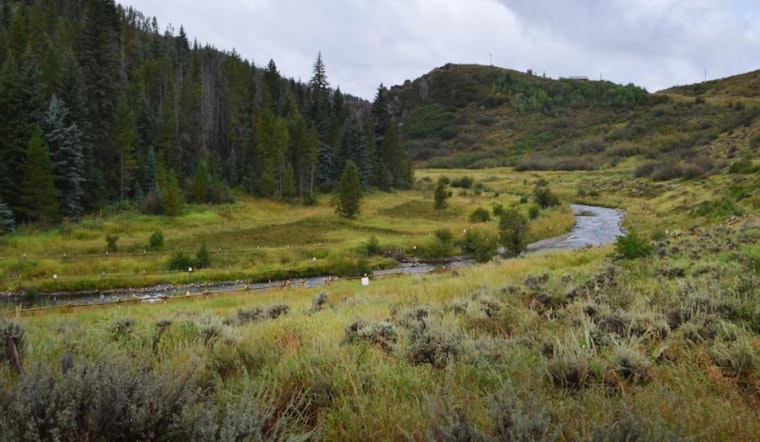
Fishing enthusiasts will have to hang up their gear for a while as Colorado Parks and Wildlife (CPW) announces a mandatory full-day fishing closure on a portion of the Yampa River. The affected stretch runs 0.6 miles from the dam at Stagecoach State Park downstream to the park's lower boundary. CPW has flagged dropping water levels from Stagecoach Reservoir as the culprit, leading to this protective measure set to start on Thursday, Oct. 2, and expected to stick until spring 2026.
"We are trying to be proactive in protecting the outstanding catch-and-release fishery we have downstream of Stagecoach Reservoir," CPW Steamboat Area Aquatic Biologist Marisa Eley said, as per Colorado Parks and Wildlife, documenting their efforts to safeguard the fish from the challenges posed by the low-flow conditions. The interruption in normal fishing activities is aimed at reducing the stress on fish populations that are more vulnerable during these times, with limited habitats and a heightened prize for poled hunters.
Andy Rossi, General Manager of the Upper Yampa Water Conservancy District (UYWCD), which operates Stagecoach Reservoir, backed up the necessity for the closure. Despite the district's successful environmental and flow maintenance efforts during the summer, Rossi signposted the late season's sparse inflows to the reservoir, marking the end of releases facilitated by the Colorado Water Trust just last week.
The Yampa River, renowned for its fishing draw, is facing not only the current closure. CPW urges cooperation and patience with the latest restrictions, but also reminds anglers of ongoing voluntary closures elsewhere. Voluntary restraints continue in place on the White River in Rio Blanco County and the Crystal River near Carbondale, indicating that these ecological protections are not a new phenomenon for the state's fishermen. In these additional areas, where the fish are also feeling the squeeze of environmental constraints, fishing has been restricted to mitigate potential impacts caused by temperature spikes and habitat compression.





