

























































Gov. Jared Polis and AG Phil Weiser are standing firm in their stance on the South Platte River dispute, asking the U.S. Supreme Court to toss out Nebraska's complaint. The disagreement between the states centers on the South Platte River Compact, an agreement dictating water use rights. According to a brief cited by Colorado Governor's Office, Colorado believes it is meeting its obligations and that Nebraska has yet to advance on its century-old plans for the Perkins County Canal, which questions the need for court intervention.
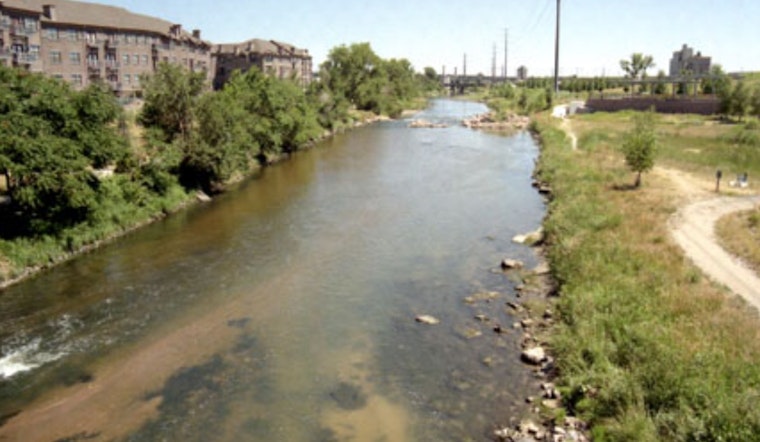
The South Platte River is the lifeline stretching from the Colorado Rocky Mountains and sweeping into Nebraska, a vibrant vein that the City of Denver and vast stretches of agricultural land depend upon. Gov. Polis emphasized his state's commitment to the compact, saying, "We refuse to sit idly by while Nebraska chases a meritless lawsuit that threatens Colorado’s precious water resources, our robust agriculture industry, and our rural communities in Northeastern Colorado," as reported by the Colorado Governor's Office. Nebraska has been accused of leveraging the legal system to renegotiate the terms of the longstanding compact, an agreement that has, until now, dictated peaceful coexistence between the neighboring states.
With the Supreme Court yet to decide on accepting the case, time is still on the court's side to determine the next course of action. Nebraska's recent accusations claim Colorado has authorized water uses that harm Nebraska during the irrigation season. However, these allegations lack solid grounding. "For over 100 years the Colorado State Engineer’s Office has worked with Nebraska and performed the hard work of ensuring Colorado meets its compact obligations on the South Platte River," Jason Ullmann, State Engineer and Director of the Division of Water Resources, told the Colorado Governor's Office. Both states have historically relied on a priority system and terms outlined in the compact to receive their fair share of water.
Attorney General Weiser added his assurance that Colorado is not interfering with Nebraska's canal project, meaning claims whatsoever might arise from Nebraska's side are speculative at best. "Nebraska’s claimed violations rely on speculative and premature allegations," Weiser said, as obtained by the Colorado Governor's Office. He pointed out that any legal issues that may manifest can be resolved in alternative forums, suggesting federal permitting processes or lower courts as appropriate avenues rather than escalating directly to the Supreme Court.





