

























































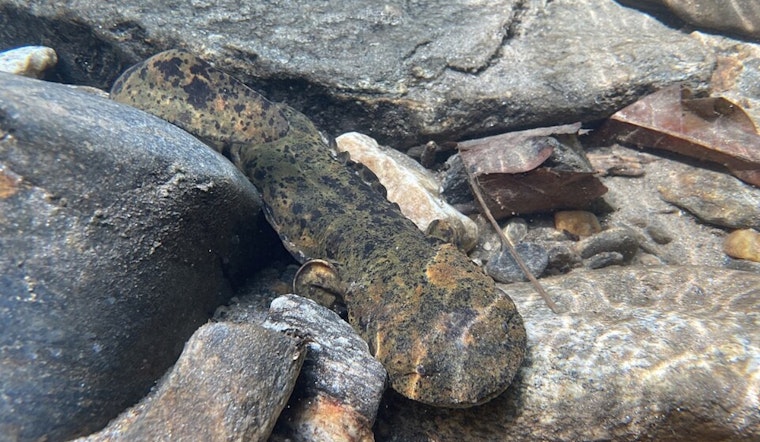
Ohio's waterways welcomed an unusual influx of inhabitants over the summer, as conservationists released 116 juvenile eastern hellbenders, a species on the edge of endangerment. The Columbus Zoo and Aquarium, alongside The Wilds, coordinated the effort to boost the numbers of what's colloquially known as the "snot otter," due to its mucous-covered exterior, making it supremely slippery. As reported by ABC6 News, this release is a step towards restoring a population largely affected by habitat loss and pollution.
These creatures, which can grow up to two feet long, are not just amphibious oddities, they are also indicators of environmental health, with a need for pristine streams to thrive. The hellbender's dependence on high-quality, unpolluted habitats underscores the ongoing challenges of conservation in a region that's been hit hard by environmental stressors. In the pursuit of revitalizing these animals, "Ohio and neighboring states, putting the species at risk, but a statewide recovery effort is working to turn that around," according to FOX8 News.
It's not just about managing numbers; hellbenders play a critical role in the aquatic ecosystem. They are apex predators of stream invertebrates like crayfish, which they feed on, balancing the ecosystem. Furthermore, their health is a direct reflection of the water quality they inhabit. The release of the 116 salamanders, which Lexington Herald-Leader News describes as taking place in waterways where their ancestors once thrived, marks a significant stride in repopulating an animal that has witnessed its numbers dwindle alarmingly due to human activity.
Faced with the critical task of rewilding these unique salamanders, the collaboration between organizations underscores a shared commitment to ecological restoration and species survival. These efforts highlight the intricate link between conservation actions and the broader health of the ecosystems, making the hellbender more than just a mascot for clean water, but a testament to resilience and environmental stewardship, with the Columbus Zoo and Aquarium's Grahm S. Jones hinting at the importance of these efforts in a statement obtained by Lexington Herald-Leader News.





