

























































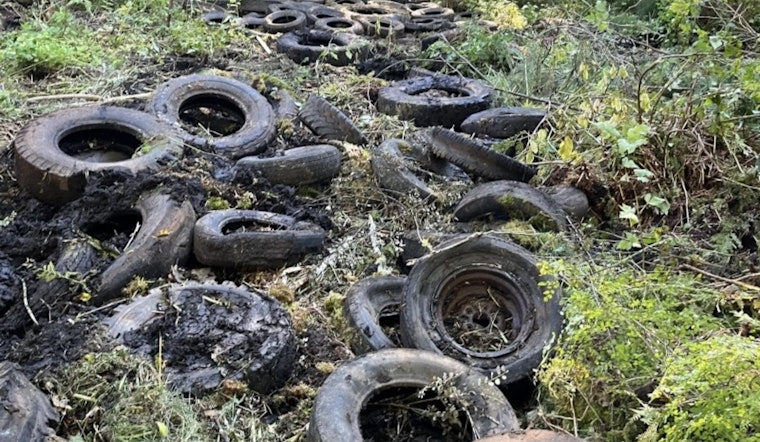
A long-overdue environmental restoration project is transforming the skyline of Nisqually State Park, as a decades-old landfill site is systematically cleared of its accumulated detritus. The Eatonville Landfill, a blight within park boundaries, is nearing the end of a vital cleanup effort that began earnestly this year.
After years of planning since 2021, the park, which had been marred by the presence of tires, broken appliances, and other refuse, sees the removal of over 30,000 cubic yards of waste, according to a blog post by the Washington State Department of Ecology. The trash heap—once an eyesore—is giving way to what park officials promise will be an undistinguished part of the state's newest park for more than four decades.
The Eatonville Landfill sits on land once owned by Weyerhaeuser and previously operated by the town of Eatonville. Its extensive cleanup has been financed to the tune of $7.4 million through the Model Toxics Control Act, a measure supported by Washington voters establishing a hazardous substance tax specifically for environmental rehabilitation efforts.
As crews work diligently to extract contaminated soil and debris, the rehabilitation of the park includes re-vegetation to seamlessly reintegrate the land with its natural surroundings. The project represents a collaboration among various stakeholders, including the Nisqually Indian Tribe, the town of Eatonville, and Washington State Parks. Weyerhaeuser has also played a role in the cleanup effort that has involved approximately 1,430 truckloads of material being removed from the site.
The Nisqually State Park, which is currently closed for construction, anticipates reopening in 2026. Visitors will be able to enjoy the park free from the environmental legacy of the old landfill, transformed into a flourishing component of Washington's growing network of natural reserves.





