

























































In the late 1960s and 70s, the conversation about domestic violence was a murmur, hidden within the walls of the home, rarely acknowledged in public discourse. Eileen Hudon became part of a movement changing that, enabling whispers to grow into action. Her work alongside other women not only supported those struggling within abusive marriages but also pioneered the transformation of domestic violence into an issue of public concern.
As Hudon gathered Indigenous women to share their experiences, the dialogue bloomed from a common thread—the impact of Native American boarding schools on their lives, according to an article on the Minnesota Department of Public Safety website. Hudon and others launched a divorce information line in 1972, inadvertently creating a foundation for Women's Advocates, a beacon of hope and the nation's first shelter for victim-survivors and their children. This effort redefined the concept of safety within the home as a right for everyone, not merely a privilege for the few.
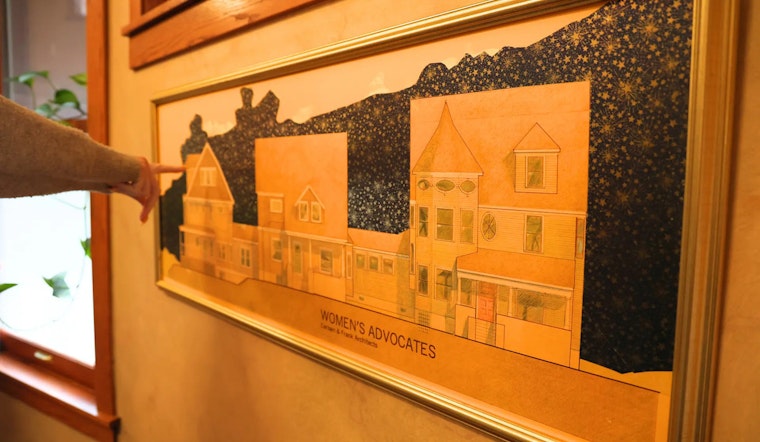
Women's Advocates now spans three renovated houses in St. Paul’s Summit Hill neighborhood. Each night, it offers solace to roughly 20 women and 30 children in a communal setting. In an ongoing mission to reflect a wider vision of safety, Hudon, as quoted by the Minnesota Department of Public Safety, highlighted the importance of inclusivity. "We have survivors who have all kinds of identities. What we were hearing from survivors was that people from the queer community or male folks in their lives who had tried to access services could not find them," Hudon said.
The Office of Justice Programs (OJP), a long-term funder, has been instrumental in responding to these evolving needs with grants to domestic abuse programs that cover critical operational costs, such as staffing, food, and 24-hour crisis response. Cecilia Miller, grants unit director at the OJP, mentioned, "We really want our grantees to be well connected to stakeholders in the community to generate community support and partnership, which helps sustain programs and create recognition of their importance in the community."
Over the decades, from whispered grievances to public affirmations of support, this journey reflects a shift not just in dialogue but in tangible progress. Hudon's legacy is supported by initiatives she co-founded, like Mending the Sacred Hoop and the Minnesota Indian Women’s Sexual Assault Coalition, which continue to contribute to this vital societal transformation. The fight to keep the conversation about domestic violence in the public sphere is a persistent one, ensuring the voices of survivors are heard and heeded.





