

























































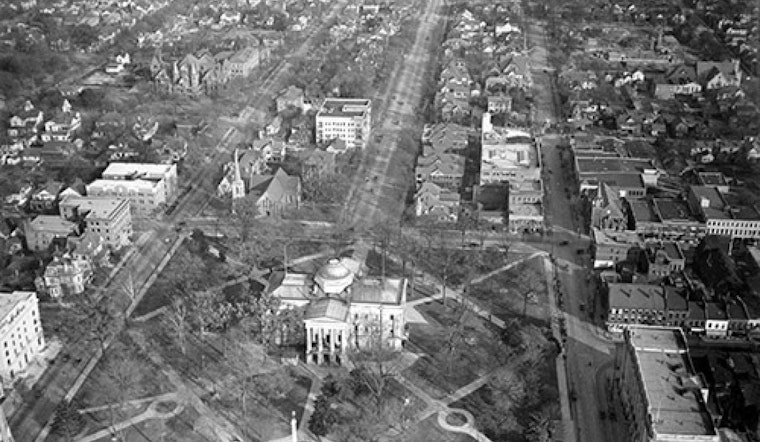
If you think you've seen all there is to see at the N.C. State Capitol, think again. November 1st delivers something fresh for history buffs and the public alike—a walking tour that will delve into the history of Union Square, the six-acre site that North Carolina's State Capitol calls home. Details released by the North Carolina Department of Natural and Cultural Resources reveal a chance to traverse the very paths once tread by the enslaved who built and maintained the grounds and the Capitol itself.
Set to kick off at 12:30 p.m., the tour promises a journey through more than two centuries of history. The Capitol grounds, typically overshadowed by the towering Capitol building, have silently borne witness to the state's evolution, transforming from a humble public hog pasture to the manicured expanse we know today. Anyone interested should meet at the Capitol’s east entrance, at 1 Edenton Street in Raleigh, for this enlightening hour-long expedition that is expected to not only inform but to surely inspire all those who choose to take part.
Participants don't need to worry about the hassle of registration; the event is free, open to the public, and works on a first-come, first-serve basis with a limit of 20 people per group. It's an entirely outdoor experience, so dressing for the weather is advised. For additional information, the Capitol's team is reachable at 984-867-8340 or online where the curious can further explore the State Capitol's mission "to preserve and interpret the history, architecture, and function of the 1840 building and Union Square," as mentioned on the North Carolina Department of Natural and Cultural Resources website.
The department manages a diverse portfolio, from historic sites to science museums, state parks, and beyond—showcasing the Tar Heel State's rich tapestry to residents and visitors alike.


