

























































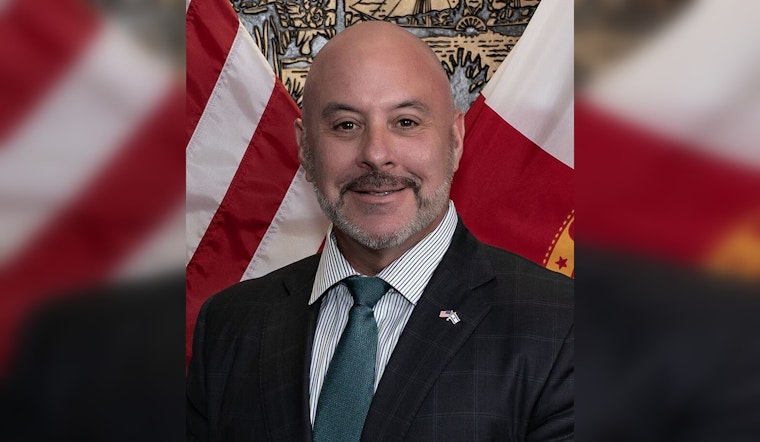
Florida's fiscal watchdog, CFO Blaise Ingoglia, has turned his sights on the City of Miami, salvoing accusations of financial imprudence in their budget management. Ingoglia claims the city's spending has surged beyond justification, outpacing both population growth and inflation. He identifies a $94 million excess in Miami's budget, as reported by WSVN. "If this was a business, the City of Miami would go bankrupt," Ingoglia told WSVN in a critique that cuts deep into the city's financial stewardship.
Within the City of Miami's response, there lies a thread of contention. They argue that Ingoglia's analysis is blinkered, failing to account for the city's unique situation—an urban hub fraught with complexities not comparable to a suburban or rural local. As per the statement responding to Ingoglia's budget analysis, "A formula applied to a suburban or rural city would never reasonably apply to a city that inherently is as complex and unique as the City of Miami.” This rebuttal underlines the challenge of equating the varied fiscal landscapes across Florida's mosaic of municipalities, as noted by WSVN.
Ingoglia's campaign is a drumbeat for tax reform, wielding the tool of public expenditure scrutiny across Florida in an effort to reshape property tax legislation. According to the Miami Herald, the CFO has not spared some specifics either; he predicates that the City of Miami could afford raises for police and paramedics, should it trim the fat from other sectors of the budget. "We should be funding and prioritizing our first responders,” Ingoglia asserts, steering the conversation towards fiscal prioritization.
City officials greet the CFO's criticism with skepticism, hinting at political motivations tinging the fiscal concerns. City Manager Art Noriega called the state's analysis "absurd," and in a statement obtained by the Miami Herald, the city maintained that Ingoglia's review was "incomplete" and failed to grasp the full complexities of Miami's fiscal responsibilities. Amid the back-and-forth, it's clear that the debate over Miami's budget is as much about the numbers as it is about the narratives spun from them.
Ingoglia, backed by the ambitions of tax cuts, has coupled his call for fiscal restraint with a political mission—propelling constitutional amendments that might see property taxes on primary residences vanish. The narrative will undoubtedly extend as he pitches this vision against the pushback from city leaders, and as the Miami City Commission gestures openness to state auditing, the plot will thicken in the Sunshine State's budget brawl.



.jpg)