

























































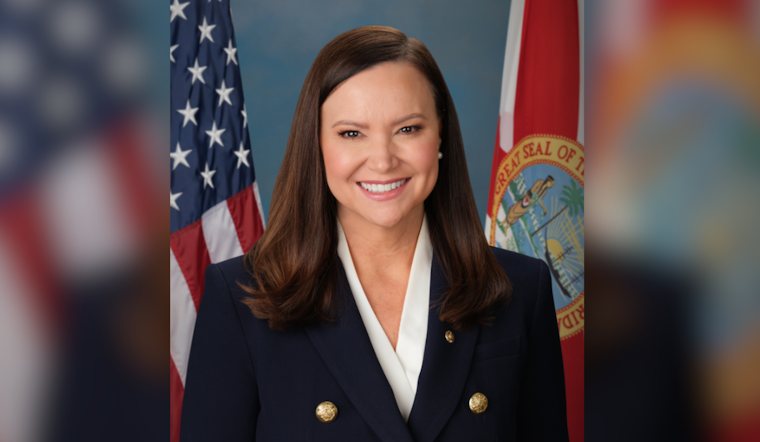
As the political impasse in Washington drags on, Florida Sen. Ashley Moody intensifies her efforts to end the federal government's budgetary brinkmanship. Through her co-sponsorship of the “Eliminate Shutdowns Act,” Moody seeks a legislative mechanism that would prevent any future truncation of federal operations by ensuring an automatic funding extension in the absence of an approved budget. Moody's proposition, as reported by FOX 35 Orlando, would institute rolling 14-day periods of funding if Congress fails to pass appropriations bills or a continuing resolution.
Compounding the tension is the stark political divide; Moody denounces Democrats for instigating the shutdown by demanding $1.5 trillion in additional spending, as FOX 35 Orlando detailed. Meanwhile, she aligns with Republican counterparts who have suggested funding the military and critical federal employees during the impasse. Her proposal extends to a "No Budget, No Pay" concept, which would withhold paychecks from policymakers until a budget is solidified. She has promised to donate her salary to the Crisis Center of Tampa Bay for every day the government remains unfunded.
During a news conference in Osceola County, as reported by WESH, Moody underscored the urgency of compensating essential workers who have been caught in the political crossfire. Health care has been highlighted as a significant sticking point in the argument, with Republicans accusing Democrats of seeking to extend benefits to unauthorized immigrants, which contradicts existing U.S. law. The welfare of approximately 1.9 million Floridians hangs in the balance as the partisan back-and-forth casts a shadow over upcoming open enrollment periods and the prospect of steeply rising health care premiums.





