

























































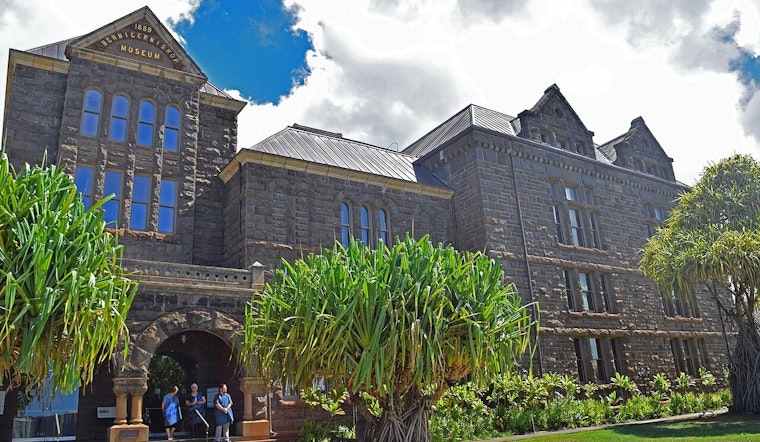
Hawaiʻi has joined a global push to expand wildlife biobanking — the long‑term preservation of DNA, living cell lines and reproductive material — as a tool to protect species facing extinction. Bishop Museum and international partners are working to build Pacific‑region capacity and link local repositories with pilot sites in Kenya, Vietnam and Peru. Conservationists say the move could add practical tools for restoring endemic forest birds, kāhuli (Hawaiian land snails) and other uniquely Hawaiian species.
The initiative was unveiled at the International Union for Conservation of Nature’s World Conservation Congress and framed as a multi‑partner drive to “biobank every endangered species by 2075,” according to a press release from the San Diego Zoo Wildlife Alliance. Organizers presented the effort on the IUCN program in Abu Dhabi as both a public call to action and a training opportunity for partner institutions. IUCN Congress materials list the session as a press conference and capacity‑building forum.
Bishop Museum Expands Pacific Biobanking Capacity
Bishop Museum’s Pacific Center for Molecular Biodiversity curates more than 40,000 tissue and genetic samples from across the tropical Pacific, the museum says. Recent coverage calls the planned expansion the Waihona Ola Pacific Biobank and reports it will hold more than 95,000 Pacific biodiversity samples as the program scales up. The museum and partners say the broader collection will be developed to include living cell lines, tissues and reproductive materials that can support research and future restoration work.
Why It Matters For Native Species
Proponents argue that frozen and living cell collections add practical options for captive‑breeding, emergency genetic rescue and disease‑resistance research — interventions that matter in island systems with many single‑island endemics and tiny populations. Reporting on the announcement highlights forest birds and the islands’ threatened kāhuli (land snails) as obvious beneficiaries of extra genetic and reproductive resources. Recent field work and rediscoveries of rare snails underscore how fragile and still‑surprising Hawaiʻi’s biodiversity can be, and why local capacity matters for rapid response.
Ethics And Legal Context
Biobanking raises ethical questions about who controls genetic material and how benefits are shared with communities and Indigenous stewards. The museum frames the work as inseparable from cultural stewardship — protecting biodiversity in Hawaiʻi is inseparable from protecting cultural heritage, museum leaders said to PubMed Central. At the international level, access‑and‑benefit‑sharing rules such as those under the Nagoya framework shape how genetic resources are exchanged, and experts note the United States is not a party to the protocol, which complicates cross‑border rules for some collections and uses.
What Comes Next
Partners say the immediate priorities are staff training, equipment for cell culture and cryopreservation, and clear protocols for ethical sample use and data sharing. The San Diego Zoo group said it will provide training, technical support and knowledge exchange to help pilot sites scale responsibly. As facilities and partnerships expand, organizers emphasize that biobanking is intended to complement — not replace — habitat protection and invasive‑species control.
For Hawaiʻi the new network links local scientific resources to global expertise, while raising questions about stewardship and benefit sharing that conservationists and community leaders will need to address as the program moves from announcement to action.





