

























































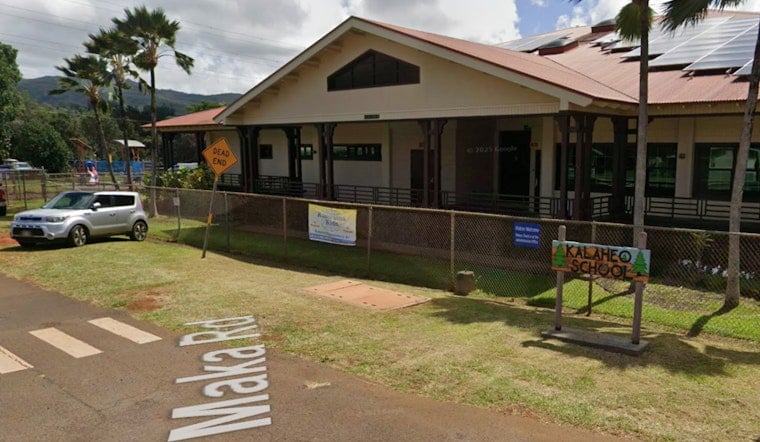
Honolulu’s proposed land gift for a Hawaiian homestead community in Kailua has been rejected after soil studies found the 10-acre former school site unsuitable for residential development. The decision pulls the plug on a long-discussed plan to create new Native Hawaiian housing on Windward Oʻahu, with unstable ground — not a lack of housing need — emerging as the deal-breaker.
DHHL Says Kailua Site Is Too Risky To Develop
In a July 16 letter to the Honolulu City Council, Hawaiian Homes Commission Chair Kali Watson said the Department of Hawaiian Home Lands had completed its due diligence and found “extremely expansive” soil conditions at the former Kalaheo Elementary School site. The department said it remains open to discussing other city-owned parcels for homesteads, according to DHHL’s letter.
The problem was more than a technical footnote. Preliminary testing by GeoLabs found soil that expands and contracts dramatically, while nearby homeowners reported damage tied to shifting ground; one resident told the Honolulu Star-Advertiser that he spent about $70,000 repairing foundation, sewer-pipe and retaining-wall problems at his hillside home.
City Required Engineering Review Before Conveyance
Honolulu’s 2024 resolution approving the conveyance required DHHL to assess the site’s topography, soil conditions, infrastructure and potential effects on surrounding properties before the transfer could proceed. The council also required a survey of existing soil-related damage to homes bordering the parcel, as detailed in the Honolulu City Council resolution.
GeoLabs concluded that remedies needed to make the site workable would be extensive, potentially ineffective and not cost-effective for the proposed homestead development. That finding effectively transformed what had been pitched as a bargain public-housing opportunity into a costly engineering gamble.
Former School Property Sat Unused For Decades
The city purchased the Kalaheo property from Kaneohe Ranch in 1961 for school use and retained it for more than six decades after the Department of Education abandoned plans for an elementary school there. The education department later developed Kainalu Elementary School on a separate site, while existing schools in the area were deemed to have enough capacity, according to the Star-Advertiser’s report.
The vacant hillside parcel eventually became the centerpiece of a proposal for Kailua’s first Hawaiian homestead community. Hawaiʻi Public Radio reported in 2024 that Councilmembers Esther Kiaʻāina and Tommy Waters introduced the plan as a way to provide Native Hawaiian families with a place to live and remain connected to the area.
Neighbors Supported Homesteads But Warned About This Site
The Kailua Neighborhood Board had urged a new geotechnical study before the land changed hands, citing the hillside’s high-expansion clay and concerns about damage to neighboring homes. That local warning is preserved in the board’s 2024 written resolution.
Residents generally supported the idea of Hawaiian homesteads but opposed building them on the Kalaheo hillside, where they feared grading, drainage and foundation work could worsen existing problems. The city’s own announcement said Kiaʻāina was disappointed by DHHL’s decision but planned to keep searching for other sites in Kailua and elsewhere on Windward Oʻahu, according to a City Council statement.
Housing Need Remains Even As Kailua Plan Fails
The setback does not reduce the demand that drove the proposal. When the resolution was introduced, the council cited more than 11,000 applicants waiting for residential Hawaiian homestead leases on Oʻahu, a backlog the city said made cooperation with DHHL an important public goal.
For now, the Kalaheo property’s future is unsettled. Earlier suggestions included preserving the hillside, creating a park or community garden, while city and state officials say the next search for homestead land will have to begin somewhere with soil that is less determined to move the goalposts.



