

























































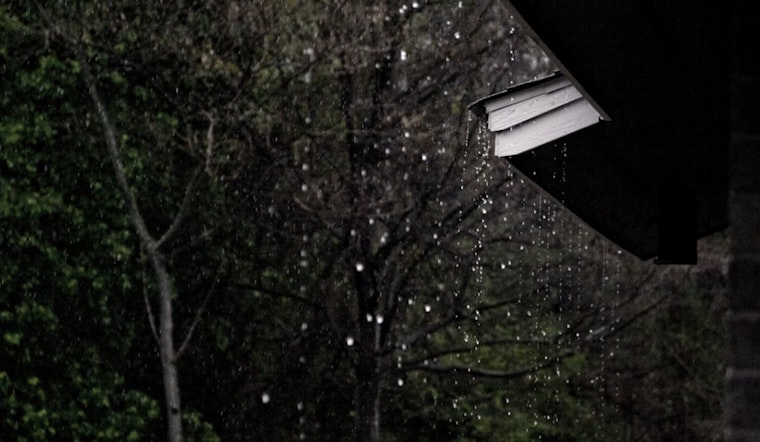
Honolulu is bracing for a significant shift in weather as an upper-level low, currently situated about 800 miles north of the islands, is predicted to stir up more intense weather conditions through the latter half of the week. According to the National Weather Service in Honolulu, we can expect "An increase in low- level mositure and instability is expected as the low gets closer," with a rise in the likelihood of "heavier showers and a few thunderstorms possible Tuesday afternoon through Thursday."
The forecast, which looked over radar data early this morning, acknowledged the presence of high clouds and a few low-level ones, lending the sky its mostly clear appearance. Nevertheless, a stronger influence from the approaching low is anticipated to bring about more dramatic weather. The NWS notes that there is "some disagreement as far as timing and placement of this low," so while details are still being refined, those situated on the western side of the state should especially prepare for wet and stormy conditions.
In terms of aviation, light east to southeast winds have contributed to clearer skies via land breezes, with the expectation that these conditions will persist today. The likelihood of VFR (Visual Flight Rules) dominating remains high. For maritime interests, the troughing north of the islands is weakening the local pressure gradient, resulting in gentler trade winds for now. However, as surface high pressure builds north, "Small Craft Advisory conditions may develop over the typically windy waters around the Big Island and Maui as early as Wednesday night and likely by Thursday," according to the NWS.
Surfers will find fluctuating conditions, with the forecast predicting that a northwest swell is to peak Monday and Tuesday at High Surf Advisory levels for north and west shores from Kauai to Maui. But by the tail end of the week, things should calm down, according to the NWS report. On the topic of east shore surf conditions, a mild swell is expected Tuesday, followed by increased activity as the trades intensify later in the week.
The risk for fire remains relatively low, as lighter winds and sporadic showers contribute to keeping fire weather below critical levels. The NWS predicts that the inversion height will stay between 6,000 to 7,000 feet, which helps mitigate the fire threat. As for now, Hawaii's Forecast Office has not issued any particular watches, warnings, or advisories but stay informed as the situation develops.



