

























































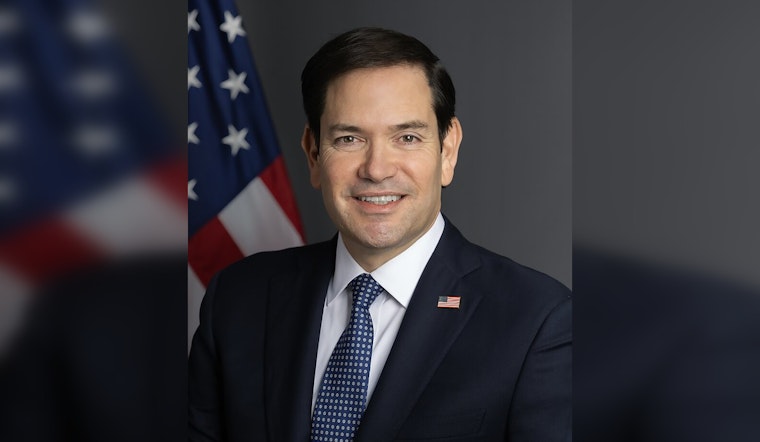
In a recent interview on ABC's "This Week" with Martha Raddatz, Secretary of State Marco Rubio provided updates on the tense hostage negotiations involving Israel and Hamas. Rubio suggested cautious optimism, indicating a plan to retrieve all 48 hostages—including the 28 who have perished—was reaching its most hopeful point in what has been a long, fraught process. This framework, as detailed by Rubio, involves a two-phase approach to not only return the hostages but also to establish an enduring peace.
The first phase, according to Rubio, has been accepted by both parties. It entails the release of the hostages and Israel's territorial pullback to the lines held in August of the previous year, "the yellow line," as it's been termed. Rubio stated, "Phase number one, which Hamas has accepted, is the President’s framework for release – the hostages are released and Israel pulls back to what’s been called the yellow line, roughly where there were in August of last year – and that exchange happened. And that’s the first phase of these talks because you have to work through the logistics of that." However, he noted that the establishment of proper field conditions is imperative to carry out the exchange without threat from active combat or bombings—a situation that has complicated the process before, according to the State Department's transcript of the interview.
The second phase is arguably more complex, involving the development of an international governance structure in Gaza, led by Palestinian technocrats. Rubio described this as crucial for the "permanency to the end of the conflict." However, the Secretary was clear that issues such as the disarmament of Hamas must be addressed for a sustainable peace arrangement to take hold. He underscored that, "As long as there are people, organizations, inside of Gaza who possess rockets, build tunnels, want to kidnap, murder, and rape Israeli citizens and attack Israel, there isn’t going to be peace," as per the State Department.
Responding to concerns about potential stalling tactics, Rubio expressed hope for the hostages' imminent release. Rubio mentioned to Raddatz that Israeli offensive operations had been suspended with the exception of immediate threats yet acknowledged that reports of bombings in Gaza City needed to be looked into with serious attention. Furthermore, Rubio pointed to President Donald Trump's urgency in resolving the plight of the hostages, with Trump having given a 72-hour window for the plan's acceptance. "The goal in saying 72 hours is he wants to see it happen quickly. This is not something that can drag out," Rubio told "This Week," as noted by the State Department.
While expressing cautious optimism about the ongoing talks and their potential outcomes, Rubio made it clear that no one expects the process to be easy. Aligning with this sentiment was Senator Lindsey Graham's skepticism about Hamas's response to the negotiations, calling it a "yes, but" scenario, which Rubio did not outright dismiss but instead stressed the complexity of the situation. As talks progress, the international community, including influential Middle Eastern nations, remain watchful and involved, hoping that the combined efforts will yield a positive and quick resolution. The world's eyes continue to focus on Cairo, where, as Rubio suggests, "90 percent of this has been worked out," soon to be finalized, bringing closure to a chapter of prolonged tension and tragedy, as reported by the State Department.





(2).jpg)