

























































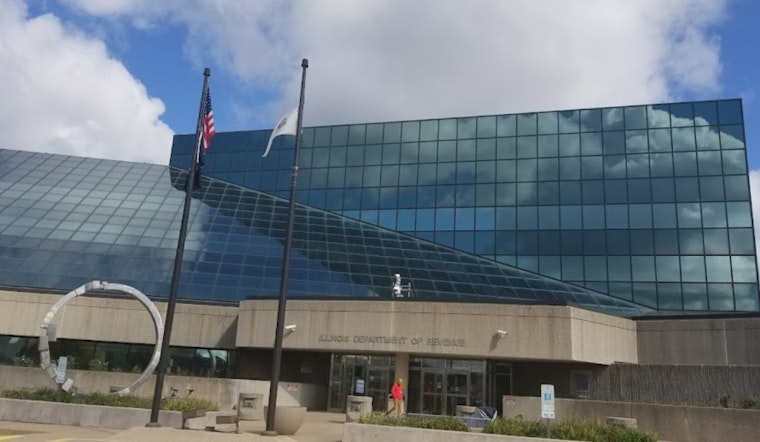
The Illinois Department of Revenue is sounding the alarm on a new scam that's tricking taxpayers into handing over sensitive banking details through text messages. The scam, described as a nationwide epidemic of phishing attempts, sends urgent and unsolicited texts to individuals, misleading them to believe they're in direct communication with state financial authorities. Posing as the IDOR, these messages falsely inform victims of processed tax refunds and then prompt for their bank information with the pretense of an imminent threat of losing the state refund.
David Harris, the IDOR Director, firmly stated, "There has been a significant rise in fake text messages impersonating state revenue departments." He warned that these phishing attempts are intentionally crafted to deceive taxpayers and to quickly pressure them into revealing their private financial details. "These scams are designed to deceive taxpayers and pressure them into revealing their most sensitive financial information," Harris told Illinois government news. He reinforced that the IDOR does not reach out unsolicitedly to request banking or personal details via text.
The IDOR recommends that any communication from them would traditionally arrive via USPS or through MyTax Illinois, the department's official and secure online platform. They cautioned taxpayers about the legitimacy of any unsolicited outreach via text, email, or social media, especially when such contact demands personal or financial information.
With taxpayer security as a primary concern, Harris advised, "If you're ever unsure about a message you’ve received, we strongly encourage you to reach out to us directly." He emphasized the importance of confirming with the department to potentially ensure that taxpayer information remains secure. Taxpayers confronting uncertainties about Illinois refunds, account balances, or suspect correspondences should validate directly with the IDOR through their official website at tax.illinois.gov or via phone by calling 1-800-732-8866, according to the same Illinois government announcement.
The brazen nature of these scams and the ease with which they can invade a person's life through a simple text message signal an era where vigilance must be incessantly practiced. Harris reminded individuals to delete any suspicious messages and to avoid clicking on embedded links, which could further jeopardize their financial well-being.




