

























































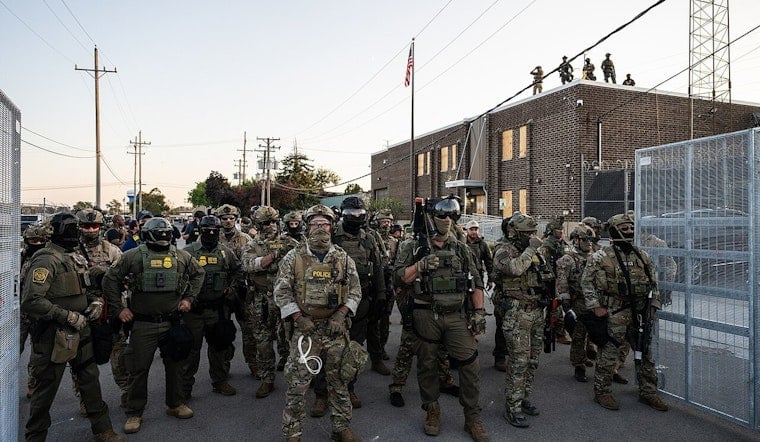
Chicago's construction scene is feeling the hit after a spring wave of federal immigration enforcement left crews short-handed, pushed small residential projects onto waitlists and sent day rates climbing across the suburbs. Contractors west of I-355 say they are running leaner crews and leaning on overtime just to keep schedules from slipping. Workers and organizers say day-labor hiring corners clear out as soon as agents are spotted, cutting off a crucial pool of flexible labor for quick repairs and smaller jobs.
As reported by the Chicago Sun-Times, Illinois is staring at a construction trade-worker gap of more than 200,000 openings this year, including especially sharp demand for laborers (58,958), carpenters (42,113) and masons (19,907). Federal data cited in that reporting show the Chicago-Naperville-Elgin metro employs about 83,522 foreign-born construction workers, or roughly 32.5% of the local craft workforce, a dependence that advocates say leaves building sites exposed when enforcement ramps up. Contractors and buyers are already seeing the fallout in the form of slower timelines and fatter labor invoices.
Home Depot Lawsuit Puts Hiring Sites Under The Microscope
A federal lawsuit filed by the Latino Union and five day laborers alleges that off-duty Chicago police officers working as store security detained and beat workers near a Home Depot location. A judge partly denied motions to dismiss on Jan. 30, 2026, according to the opinion and order in Arias et al. v. City of Chicago, which is available via Casemine. The filings center on alleged conduct at 4555 S. Western Blvd and have added momentum to demands for both corporate and police accountability.
Day Laborers Say Fear And Lowball Pay Rule The Day
Community groups and the Latino Union told the Chicago Sun-Times that intensified raids have cleared out hiring sites and opened the door for some employers to slash pay, reportedly dropping offers to about $50 a day instead of a more typical $150. Advocates say that has left some families without promised wages and some jobs half-finished. The union estimates roughly 800 day laborers are affiliated with its crews and has ramped up volunteer trainings to document enforcement actions and alert workers about patrols. Those shifts are already changing how small repairs and remodels get staffed in neighborhoods across the city.
Economy-Wide Fallout Could Be Steep
Policy modeling from FWD.us projects that the Chicago metro could lose thousands of construction workers and see up to $8.7 billion in annual economic losses if work permits lapse and mass deportations continue. Industry analysts say lenders and suppliers are reacting to that uncertainty by pulling back in some areas, and the Federal Reserve has flagged a "chilling effect" even on documented workers. With labor in shorter supply and risk perceptions rising, those pressures are showing up as longer project timelines and higher bids for developers and homeowners alike.
How Builders Are Scrambling To Cope
Trade reports and industry briefings urge contractors to tighten up I-9 audits, close documentation gaps, cross-train crews and bake extra time into contracts to soften the blow of surprise disruptions, according to Construction Owners. Some firms are leaning more on union crews and offering premium pay, while others are hitting pause on marginal projects until they get a clearer read on the labor pipeline. Industry leaders warn that these short-term moves are no substitute for the long-haul work of building apprenticeships and recruiting new talent to fix a shortage that has been building for decades.
Both advocates and contractors say stepped-up enforcement is magnifying a structural labor gap that existed long before this latest wave of actions, and that it will take policy changes and sustained investment in training to truly fix it. For now, Chicago homeowners and small builders are feeling it in real time, with thinner crews, longer waits and higher bills as the busy spring building season rolls on.




.jpg)