

























































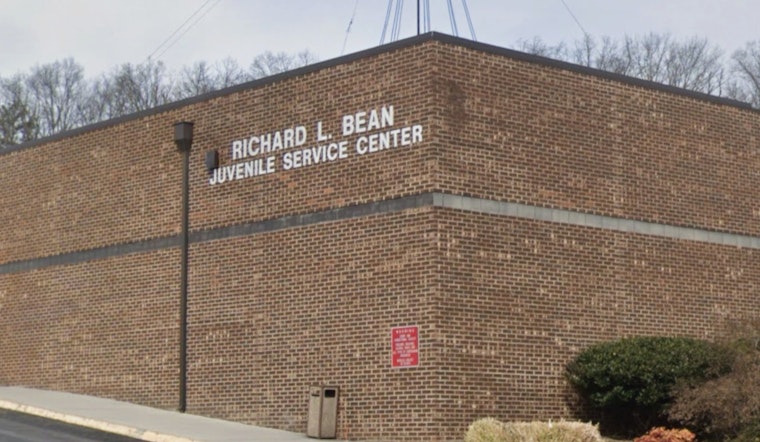
A comprehensive study of the Richard L. Bean Juvenile Detention Center in Knox County has highlighted a series of significant issues, resulting in a set of sweeping recommendations for overhaul. According to a report by WVLT, the 98-page report delivered by the County Technical Assistance Service (CTAS) was a response to longstanding issues, underpinned by chronic staff overtimes and unmet state licensing requirements since 2023.
Jim Heart, leading the CTAS report surveying the juvenile facility early in August this year, found that the facility had logged excessive overtime, with more than 4,500 hours so far in 2025, according to WVLT. Additionally, the study revealed lax security measures, including a control room operator who left all doors open, potentially compromising the safety of both the staff and detainees.
WBIR highlighted the report's findings of "years of weak leadership, top-down decision making and poor accountability" at the center, as per WBIR. The CTAS assessment called out the facility for its outdated operational practices and inadequate record-keeping. Interim Superintendent Brian Bivens was credited with initiating reforms, but the study emphasized that sustainable improvements would require "funding support for staff, technology and security upgrades," as reported by WBIR.
Among the more disconcerting findings presented in the assessment was the discovery of old medical records mingled with lab draw vials dating back several years, as reported by WATE, highlighting the disarray in medication management. In response to these myriad issues, Hart's assessment proposed numerous corrections, including the addition of a part-time nurse to assist with medication distribution, currently handled by corrections officers during evenings and weekends.
The assessment also addressed the pressing need for more comprehensive staff scheduling to curtail rampant overtime. As Heart states in the WATE report, "In general, the operating practices, record keeping, standards compliance, leadership practices, and updating of technology seem to have been frozen in time at this agency." The Knox County commissioners' committee appointed to review juvenile center operations was set to review these findings, outlining a path forward out of the current malaise. The steps already taken by the interim director and revisions being made are early indicators of a center slowly awakening from its institutional inertia.





