

























































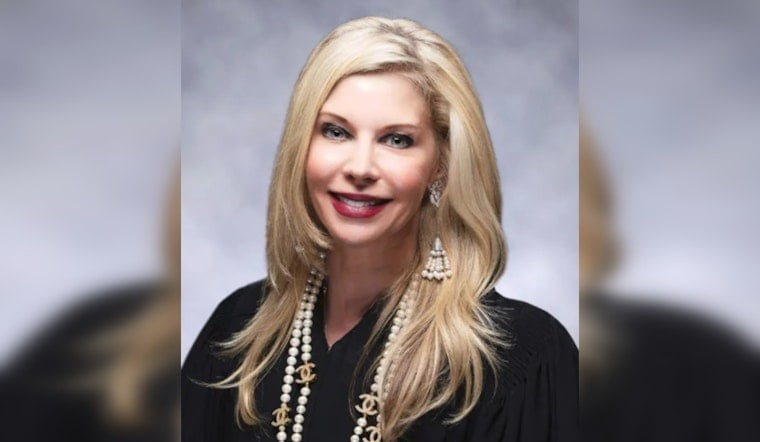
In a significant development revealed last Friday, the state Judicial Qualifications Commission has brought formal charges against Judge Bronwyn Miller of the Third District Court of Appeal in Miami, as documented in a 22-page filing with the Florida Supreme Court, casting doubt over her impartiality and integrity due to a series of controversial text messages with a former colleague, according to reports by NBC Miami.
The text message scandal revolves around Miller's communications with Miami-Dade State Attorney Katherine Fernandez Rundle which began when the Miami Herald released their contents showing Miller's involvement in the death penalty resentencing of Corey Smith, a man whose case she had prosecuted years ago, and after the Miami Herald published them in November of 2024 she reported herself to the commission through her attorney, as the filing notes, embroiling her in accusations that question her capability to function without bias The commission's investigation suggests that Miller's alleged actions could be seen as “coercive towards her official acts and substantially interfered with a fair trial or hearing.”
Miller’s attorney, Warren Lindsey, argued that she has served the community with distinction, integrity, and professionalism for more than 28 years. Her legal team maintains that, as a public servant, Judge Miller still holds her First Amendment right to speak on matters affecting her and the community’s safety. Lindsey expressed confidence that she will be vindicated once the case is heard in court, according to The Miami Herald.
The complications extend to Miller's interaction with the Miami-Dade Circuit Court Judge Andrea Ricker Wolfson, whom she criticized and suggested disqualifying in the wake of Smith's resentencing proceedings, the commission's findings show that her continuous engagement with the prosecution even after she should have ceased involvement led to the current allegations, as the Herald reported, after which her attorney claims the messages intended to "correct erroneous factual representations about (her) witness testimony," according to the JQC notice of formal charges recounted by NBC Miami.
Looking ahead, Judge Miller has been given a 20-day window to present a formal written response to the allegations set forth by the Judicial Qualifications Commission, and the Florida Supreme Court will ultimately rule on the legitimacy of the charges and what consequences, if any, she will face, ranging from a reprimand to removal from the bench, as further legal procedures unfold, her fate in the courtroom rests on the ability to navigate the labyrinthine interface between judicial ethics, personal reputation, and the pursuit of justice.



