

























































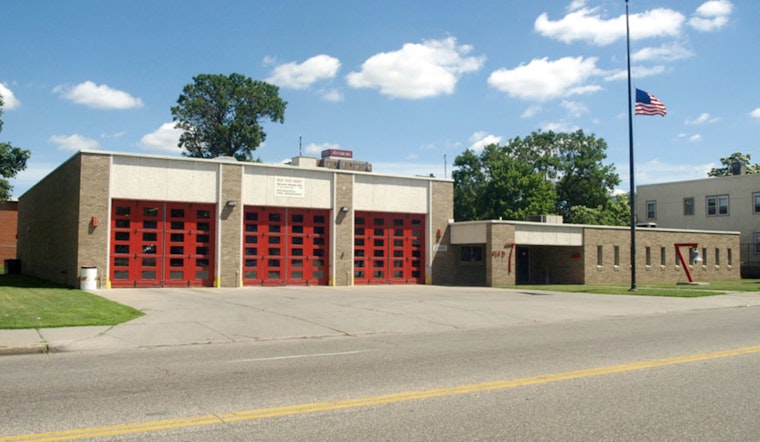
The City of Minneapolis is doubling down on its efforts to combat substance use disorders (SUD) and opioid use disorders (OUD) following the launch of a second Safe Station, according to an official announcement. This new Safe Station, nestled within the Minneapolis Fire Department's (MFD) Station 7, is aimed at serving the Seward, Cedar-Riverside, and Ventura communities—areas that have been significantly impacted by the opioid crisis.
Building on the successes seen at the program's first outpost at Fire Station 14, which opened its doors in April 2023, the introduction of this second station marks a strategic escalation in the city's responsive measures, which has already served over 7,500 individuals since inception; amongst its critical services the program is a conduit for treatment referrals, comprehensive assessments, peer support and housing referrals which are bolstering the community's defense against addiction, as stated in a report from the City of Minneapolis.
Aside from offering a 24/7 walkthrough service for those in need of assistance, this expansion also encompasses a symbiotic approach involving the MFD, Twin Cities Recovery Project (TCRP), and additional city departments, aiming to establish a fortified front against the pressing epidemic. Recent data exhibits a mitigated tide of both fatal and non-fatal overdoses city and statewide, encouraging MFD to sustain and amplify this trend in the particularly afflicted neighborhoods around Station 7.
The process for those seeking aid is streamlined; individuals can approach either of the Fire Stations, 7 or 14, at any time and request help. These are platforms from which resources and peer recovery coach support are readily available, as pointed out by the City of Minneapolis release. If required, firefighters are prepared to provide immediate initial support, bridging individuals to peer recovery coaches from TCRP, who will engage in private discussions to lay out a roadmap for recovery and treatment.
Anchored in the ethos that the Safe Station is merely one instrument among many in the fight against addiction, this initiative continues to reap affirmative outcomes by uniting the collective strengths of city health departments, community partners, and county and state resources to deliver substantial support systems for those clawing their way out of the shadows of dependency.




