

























































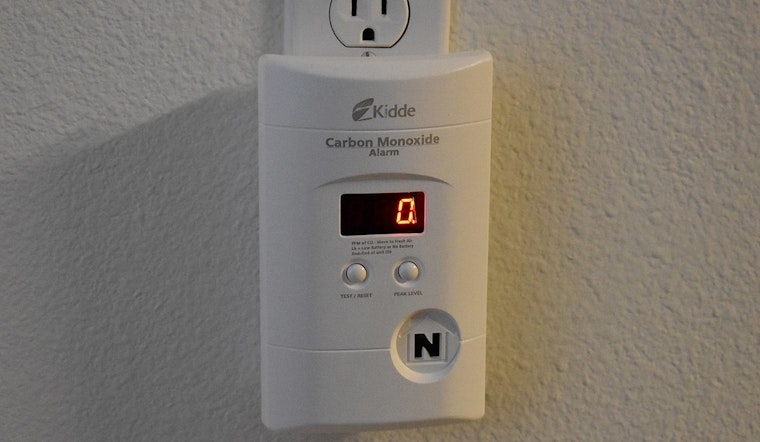
In an effort to staunch the ongoing threat of carbon monoxide (CO) poisoning, the Minnesota Department of Public Safety's State Fire Marshal division is stepping up its game, distributing 2,500 CO alarms to select fire departments in eight cities deemed at risk across the state, including Austin and Bemidji, among others. These departments aren't just handing out alarms; they're tackling installations free of charge and doubling down on education about the perils of CO, according to information released by the Minnesota Department of Public Safety.
In the words of Rochester Fire Department's assistant fire marshal, Jason Fife, "Our firefighters and staff can leave these homes knowing every alarm works and every family is safer," according to the Minnesota Department of Public Safety. He emphasized the life-or-death significance of functional alarms, especially with winter's chill on the horizon that prompts a spike in heating and, by extension, the risks of CO exposure. It seems the campaign is a preventative strike as Minnesotans gear up for colder days and the attendant increase in enclosed heating, which includes an assortment of potential CO sources like faulty furnaces, portable generators, and improperly vented car engines.
Often dubbed the 'invisible killer,' CO endangers because it's undetectable without the help of an alarm — it can neither be seen, smelled, nor tasted. Whether inhaled in small doses over time or in a concentrated dose over minutes, CO's effects are stealthy but deadly, triggering symptoms that easily masquerade as flu—nausea, headaches, and confusion. According to the Minnesota Department of Public Safety, "Carbon monoxide gives no warning," declared State Fire Marshal Dan Krier. "The only way to know you’re being poisoned before it’s too late is with a CO alarm," he said in a statement obtained by the department.
Chilling testament to the gravity of CO’s threat comes from Cheryl Burt, whose tragic personal narrative anchors the SFM's campaign; her family's encounter with CO in 1996 snuffed out the lives of two of her young sons who succumbed to the gas as they slept, while she, another son, and their family dog barely escaped with their lives. The family, unaware, had mistaken their prior symptoms for sickness and not the lethal seeping of CO from their home's furnace. "I chose to buy a toy truck for my son, instead of a CO alarm," Burt reflected, according to the Minnesota Department of Public Safety, a decision that surely echoes with unspeakable poignancy in her memory and compels the SFM’s push for wider alarm adoption. The campaign is partially buoyed by federal resources via the Carbon Monoxide Poisoning Prevention Grant Program and is also a legacy of the Nicholas and Zachary Burt Memorial Carbon Monoxide Poisoning Prevention Act of 2021.





