

























































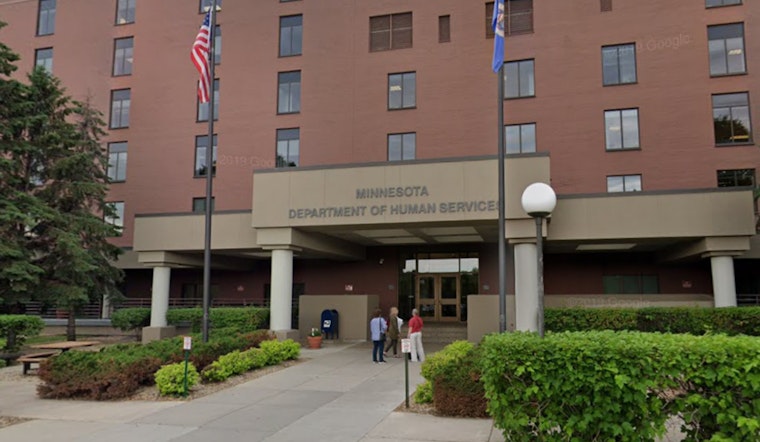
Minnesota residents who rely on the Aging and Adult Services Division (AASD) and Disability Services Division (DSD) are set to see some significant changes and programs aimed at better serving their communities. A recent weekly update detailed several key initiatives, including the 2025-2026 National Core Indicators (NCI) initiative and a home and community-based services (HCBS) cooperative grant pilot program. In a nuts-and-bolts approach, the divisions are reaching out to involve those most impacted: the elderly and people with disabilities.
The NCI initiative is designed to directly engage people with disabilities and older adults who receive HCBS support, providing them a platform to share their experiences and feedback. The Department of Human Services (DHS), according to the weekly update, is keen to involve lead agency staff and parties with an interest, to quickly start gathering critical information. The aim is to ensure their services are not only up-to-par but also reflective of the needs and desires of those they serve.
Further in the realm of HCBS, the DHS has also posted a summary of the newly introduced employee-owned cooperative grants pilot program. This initiative adds an echelon of empowerment to the caregiving professionals and recipients, aiming to create more sustainable and equitable structures within caregiving services. It represents a significant shift towards embracing models that have the potential to revolutionize the caregiving industry at a community level.
Also noted in the update, the DHS is ready to implement updated component values for the Disability Waiver Rate System (DWRS) starting Jan. 1, 2026. These values are crucial, as they are a fundamental part of the framework that determines the rates for HCBS providers. The changes, pending federal approval by the Centers for Medicare & Medicaid Services (CMS), fulfill the requirements set out by the Minnesota Legislature.
Beyond these updates, the divisions also highlighted an upcoming webinar slated for Oct. 29, 2025. The session, titled “Federal Budgets: What’s Ahead for HIV Care and Prevention in Minnesota and Nationally,” is aimed at providers involved in aging and disability services. It is a spearhead discussion on the intersection of federal budget decisions, HIV care, and the communities most at risk. Interested parties can head over to the DHS webpage for more information and access the webinar via the posted URL: here.



