

























































The Minnesota State Patrol has been weaving a net of support and wellness into its fabric, a response borne out of necessity as its members confront an ever-heightening cascade of traumatic events. In recent memory, the Patrol has grappled with the aftershocks of shootings targeting lawmakers and their spouses, the loss of a trooper, and violent incidents affecting their community, such as at Annunciation Church and School in Minneapolis.
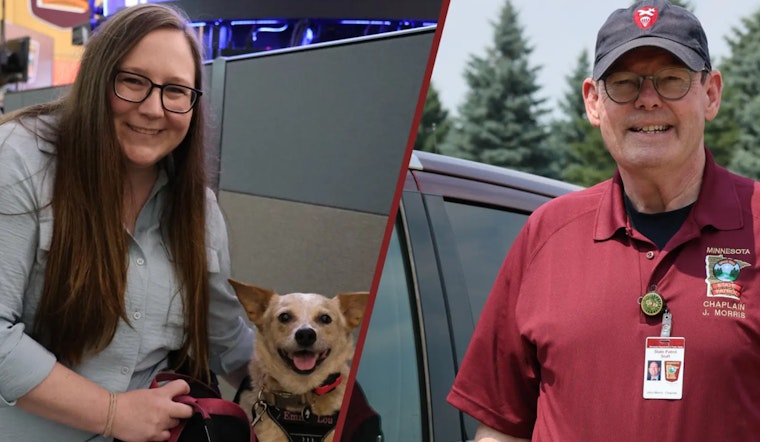
Two individuals, drawn from different experiences but united in a mission to bolster the well-being of these public servants, have gained attention for their strides in mental health support. Chaplain John Morris, a former National Guard chaplain, and Dr. Amy Schweigert, the State Patrol's inaugural wellness coordinator, have offered unique pathways to resilience for these officers bearing the brunt of public safety work.
Morris, who retired in August, provided troopers with emotional and spiritual camaraderie. According to the Minnesota Department of Public Safety, he said, "Every time they respond to a fatal crash, a piece of their soul is taken." His presence became a reminder to the troopers that even in silence, they were not alone. Morris initiated the State Patrol’s first Chaplain Program, fostering an environment where you're seen, valued, and not alone, irrespective of one's faith.
Parallel to Morris’s soulful work, Dr. Amy Schweigert focused on the psychological and environmental aspects of wellness since her hire in June 2024. With a clinical insight into stress and trauma, she introduced therapy dogs, like Eloise and Emmy, who offer comfort to staff and troopers alike. Her contribution has been integral in launching initiatives, including the Peer Support Team and broadening agency-wide wellness efforts. According to the Minnesota Department of Public Safety, Schweigert elucidated the significance of these programs in a statement: "We’re definitely working to change that culture and perception by normalizing and destigmatizing mental health and wellness in general, of asking for support and needing that help."
As these champions of wellness charge forward with their legacies, their collective impact resonates in their acknowledgment of a universal truth, shared by Schweigert: first responders are human too, and their exposure to countless critical incidents is bound to take an emotional toll. Together, their work emphasizes the importance of valuing the individuals behind the badge as much as the service they render, as the efforts of Morris and Schweigert engage directly with the well-being of Minnesota's custodians of law and order.





