

























































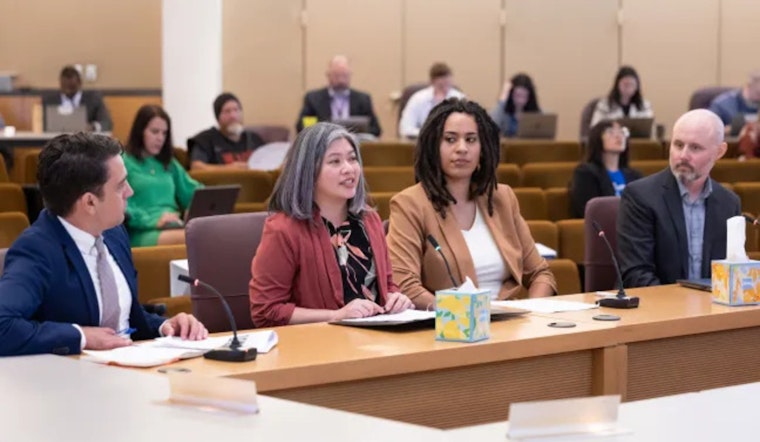
As reported by Multnomah County News, the recent update on Multnomah County's Climate Justice Plan signals a shift to concrete action following public scrutiny. Brendon Haggerty, the Healthy Homes & Communities Manager, highlighted the immediate detriments of climate change, stating, "Climate change is resulting in illness and premature death in our community." The plan aims to prioritize those hit hardest by its effects, emphasizing heat waves, wildfires, smoke, and other extreme weather conditions exacerbated by fossil fuels.
The draft was developed with the collaboration of a steering committee, comprising 13 community-based organizations fiercely committed to representing frontline communities. Desiree Eden Ocampo, from Rahab's Sisters, conveyed the inclusive approach of the plan stating it "addresses systemic issues that go beyond just climate action to tackle root causes." The planning process, as documented, included forums, surveys, and extensive conversations with the community to forge a path forward that genuinely reflects these values and needs. Despite support for the plan's ethos, public feedback also alerted the county to concerns regarding budget constraints and the practicability of certain strategies.
At the Board of County Commissioners briefing, John Wasiutynski, Director of the Office of Sustainability, reported receiving overwhelmingly positive responses. He told Multnomah County News, "One theme we heard over and over was support for the concept of climate justice." The plan now moves to a series of community forums slated for late fall, designed to further refine its goals and strategies into actionable and measurable commitments.
Board members weighed in on the draft plan, with Commissioner Shannon Singleton expressing enthusiasm for the progress and advocating for cross-sector partnerships. Meanwhile, Commissioner Julia Brim-Edwards stressed the necessity of presenting a cost analysis and clear delineation of the strategies within the county's direct reach, noting the importance to not only advocate but also "demonstrate that we're walking the talk." Commissioner Meghan Moyer reinforced the sentiments regarding the financial aspects, expressing curiosity over how advocacy could be maintained within existing funds.
County Chair Jessica Vega Pederson underscored the importance of partnerships with those most vulnerable to climate change in crafting the plan, emphasizing community engagement. As outlined in Vega Pederson's statement, this collaborative approach is central to the plan's ethos. She explained, "We've heard loud and clear the request for some more details around what this looks like and the work that's happening with some of the other efforts and it's good to hear that some of that coordination is already happening." With the Board set for a final work session and a vote on the Climate Justice Plan, Multnomah County takes a significant step toward a more climate-resilient future.





