

























































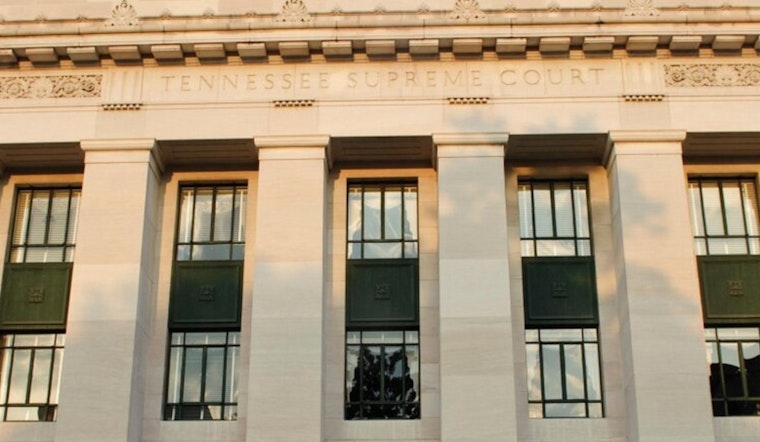
Tennessee's highest court is on the brink of change as five legal minds emerge as candidates to fill the robe soon to be vacated by the retirement of Justice Holly Kirby. The Governor’s Council for Judicial Appointments has slated these individuals for consideration, according to a recent disclosure by tncourts.gov. The bench awaits its new member, as the Tennessee Supreme Court prepares to turn the page in its next chapter of jurisprudence.
The contenders stepping into the spotlight are varied in experience and background: J. Ross Dyer, Kyle A. Hixson, Eileen Kuo, Carma Dennis McGee, and Shea Sisk Wellford. Each brings a unique legal perspective to the table, a critical factor as the Council weighs who will ascend to the high court's ranks. The Council's public interview is a critical step in this judicial relay, and it's set for November 25, 2025, in Nashville's courtly halls.
Trials of a different sort will unfold in the Nashville Supreme Court Building at 401 7th Avenue North, where the quintet will make their cases not before a jury, but the watchful eyes of the public and the Council. Transparency is the order of the day come 9:00 a.m. CST as these legal figures articulate their vision of justice and their role in its dispensation. Post-interview, the Council will face the daunting task of trimming the list, voting on which three candidates will be recommended to the governor for the final selection.
What does this mean for the everyday Tennessean? A seat at the highest legal table in the state is a powerful one, with far-reaching implications for law and its application. Civilians are invited to witness the proceedings, and even voice their concerns, a testament to the state's commitment to consider the judicial temperament in full view of who it impacts the most—the public. Those needing accommodations or armed with inquiries can reach out to AOC Assistant General Counsel Laura Blount for assistance.
In a dance as old as the republic itself, these appointments remind us that the gears of justice grind in public view, lubricated by the will of the people and refined by the wisdom of its guardians. It is a democracy, legal style, and it ushers in a new era for Tennessee's Supreme Court—one where the weight of the law and the light of public scrutiny find balance in the hands of hopefully capable jurists. This event is not simply a personnel change; it is the state's legal destiny taking shape before our very eyes.




