

























































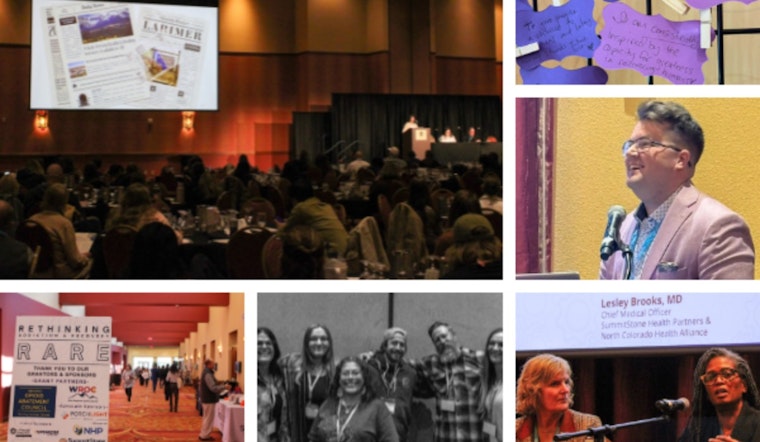
The Embassy Suites hotel in Loveland witnessed the convergence of minds committed to progressive thinking in the field of addiction and recovery, with over 600 mental health and substance-use professionals in attendance at the 2025 Rethinking Addiction and Recovery (RARE) Conference, as reported by Larimer County's Behavioral Health Services. The full-day event, once a modest gathering, now serves as a hub for skill enhancement and interdisciplinary collaboration aimed at elevating community well-being.
The discussion at the conference emphasized a significant shift in perspective on addiction, portraying it as not a choice but a struggle tying the fates of many, irrespective of their backgrounds, and with recovery framed as a tangible reality, this sentiment was echoed by experts and thought leaders in the field. According to a video from the Changing Minds Larimer campaign shared at the conference, the intensity of cravings in substance-use disorders can even trump basic survival instincts, such as hunger and thirst, and the relentless nature of substance abuse has the power to overhaul the very fabric of the human brain, often leaving individuals fighting the urge to relapse even years into recovery.
The event's workshops and panels curated a diverse range of voices and knowledge, from Dayna Deherrera-Smith, Porch Light Health's director of community engagement and development, who told Larimer County's Behavioral Health Services, “People don’t get into addiction overnight, so they’re not going to get out of it overnight,” while answering questions during one of the day's many dynamic exchanges. Another key participant, Izzy Pike, director of prevention services with Colorado Health Network, underscored the importance of personalized recovery pathways and the use of various medications catering to different opioid-use disorders, illustrating the non-uniform journey toward sobriety and the necessity for individualized treatment and support systems.
In a powerful large-group activity, mental health professionals shared their fundamental values and their aspirations for the growth and healing of Larimer County, crafting a microcosm of community hopes on massive projection screens with words like "Connection," "Belonging," and "Safety" reinforcing their collective vision for an inclusive healthcare landscape. This tableau mirrored the larger objective of the conference, which is to dismantle the stigma surrounding substance use disorders by fostering a common understanding that dismissing such struggles with a simple "Just stop using" dilutes the complexity and the seriousness of addiction treatment, as described by Larimer County's Behavioral Health Services.



