

























































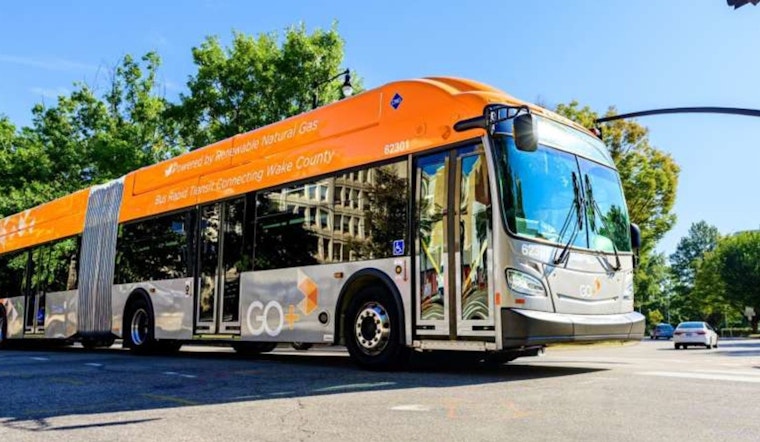
The Raleigh City Council has solidified its next phase in the expansion of the city's mass transit system, pushing forward with the Wake Bus Rapid Transit (BRT) project along New Bern Avenue. This latest effort, involving a construction contract for Area Two, stretches from Poole Road to Sunnybrook Road, and has been pledged to the Fred Smith Company at $64.6 million. This decision, confirmed on Tuesday, marks a significant progression from the initial segment contract, which was awarded earlier in July, covering the distance from downtown Raleigh to Poole Road. Details of this were shared in an article from the City of Raleigh's official news page.
In a push to expediently enhance the city's transportation framework, the City is planning to quickly bid out the construction of vertical stations, which will span from downtown to New Hope Road, along with Area Three, concluding the stretch from Sunnybrook Road to New Hope Road, by late 2025 or early 2026. The completed New Bern Avenue BRT line aims to facilitate a dedicated transit route, featuring dedicated lanes to significantly reduce travel time and bump up reliability for commuters who move along this increasingly congested thoroughfare.
According to local officials, the commencement of construction is set to unfold this fall. The city staff is already in the throes of coordinating with utility providers and property owners, in a bid to mitigate the potential disturbances caused by the upcoming construction. These preparatory conversations are essential for smoothing the transition into an intensive period of urban redevelopment which holds the promise of equipping Raleigh with a more efficient public transportation system.
Looking at the larger picture, the BRT corridor is on track to be fully operational by the end of 2028, barring unforeseen holdups. This significant infrastructure development is expected not only to shape up the city's public transit options but also to potentially transform daily life for countless citizens who have to navigate its busy streets.


