

























































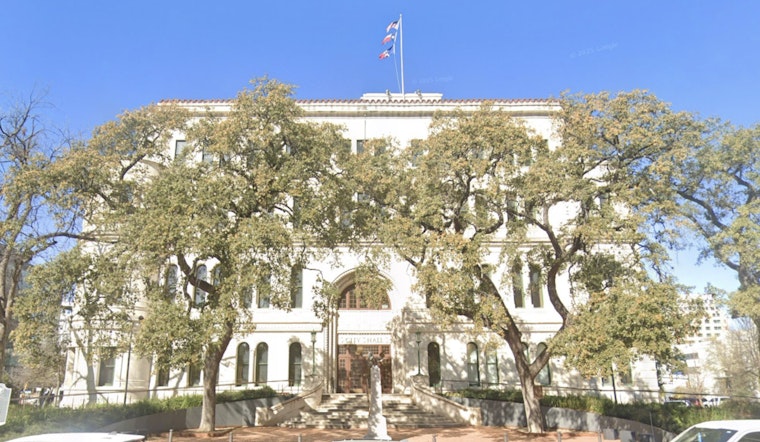
Taking a hard stance on the growing concerns over vacant properties in San Antonio, District 5 Councilmember has officially submitted a proposal seeking to bolster the city's ability to tackle this issue head-on. Appealing to frustrations voiced by constituents, the councilmember's request focuses on converting empty eyesores into assets for the community. In a statement retrieved by the City of San Antonio's official news release, Councilmember Castillo explained, "Across District 5, numerous vacant residential and commercial buildings have led to repeat nuisances, safety issues, and quality of life concerns for neighbors."
Chronicling the efforts, the plan put forth by the councilmember addresses the fiscal burden the city shoulders to maintain these dilapidated structures, aiming to recuperate costs in ways that can potentially fill empty buildings with purpose, but not without noting the residences too often bring up this issue with rightful concern, their daily encounters with such vacancies shaping their reality. The overarching goal, underscored by Castillo, is to reclaim the vacant sites for "affordable housing or small business" developments. The requested policy enhancements place considerable emphasis on interlocal agreements, revisions to existing ordinances, and even a novel strategy to use a sliding scale fee to pressurize property owners into action.
Castillo's plan wades through an ambitious array of strategies that include strengthening lien processes with Bexar County, expanding registration of unmonitored properties, and considering various receivership programs, which range from Hazardous Properties to Community and Equitable Receivership initiatives, this diverse mixture of approaches showcases a comprehensive attempt to revive dormant spaces across the district. Meanwhile, a notable proposal seeks to compel property owners to present the city with a predefined Vacant Structure Maintenance Plan.
Moreover, the concept of leveraging Housing Bond funds to pivot nuisance sites into community strongholds through acquisition and partnership with both quasi-government and nonprofit entities outlines a future where today's ignored lots could transform into tomorrow's community cornerstones, all while efficient tactics, like a sliding scale vacant property fee which aims to disincentivize long-term property vacancy, are put into motion to mitigate the standing issue. These measures underpin the councilmember's staunch belief that swift and effective legislative reforms can restore vitality to the neighborhoods under their purview as iterated in the councilmember's plans. traction in city council.





