

























































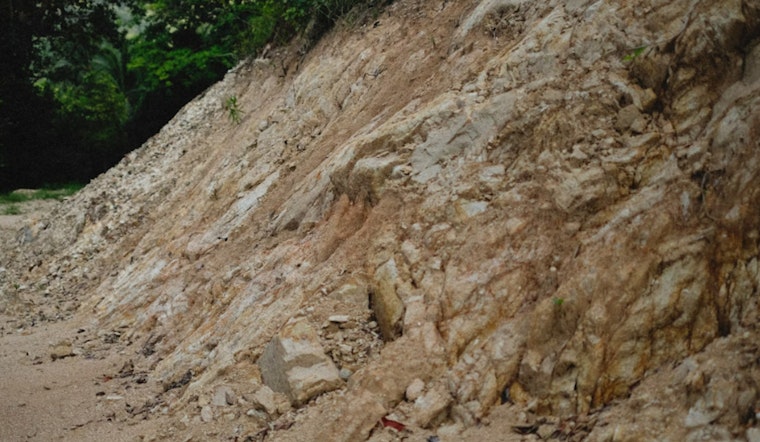
As the wet season returns, the risk of landslides once again looms over Seattle’s vulnerable areas. With most incidents typically happening between November and March due to heavy rain and snowmelt, city officials are urging residents to stay alert and take precautionary measures.
According to the City of Seattle, the City's Department of Construction and Inspections (SDCI) advises property owners to regularly inspect and maintain their drainage systems. Essential measures include ensuring downspouts are clear and direct water safely away, along with removing debris from drainage paths to prevent blockages. Notably, human activity such as adding weight to slopes, or decreasing their stability, significantly contributes to the risk of a slide.
For those wondering how to spot the telltale signs of an unstable slope, look for indicators of soil movement and erosion. The City also recommends discontinuing the use of irrigation systems during landslide season and advises against depositing fill or yard waste on slopes. Residents should consider seeking professional help when embarking on hillside projects that may affect the land’s stability.
Key resources are available to help Seattleites understand and prepare for landslide risks. The Seattle Emergency Management website features an interactive GIS Map and a Landslide Prone Area Map, along with a handy landslide tutorial and a list of practical do’s and don’ts. In the unfortunate event that a property is damaged by a landslide, the SDCI encourages immediate contact, especially if there is a concern for personal safety. For non-emergency inquiries, property owners can reach out to the SDCI at (206) 615-0808 for a building inspection and assessment, as detailed by the city's website.
To stay updated on real-time conditions, one can visit the USGS website, which provides the current status of landslide thresholds in light of ongoing rainfall.





