

























































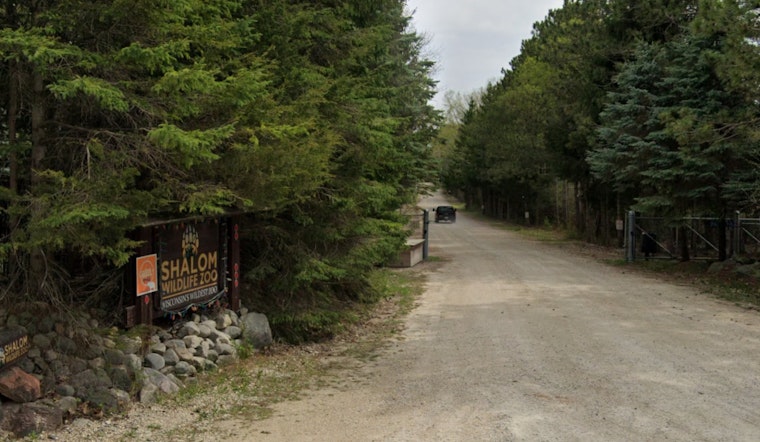
The verdant enclave of Shalom Wildlife Zoo, nestled in Washington County's Town of Farmington, has become a battleground of legal proportions as neighbors lock horns with the zoo over its expansion plans, according to TMJ4 News. The zoo, beloved by many for its close encounters with nature, has been accused by some of violating a conditional use permit and other local ordinances, raising concerns about the potential impact on the community of an added wedding venue and educational facility.
David Fechter, the owner of Shalom, portrayed the situation as an attack on the zoo, claiming that there exists a concerted effort to shut down the establishment he has steered for decades; however, residents like Matthew Werry emphasized that while they cherish the zoo's presence, its growth is spiraling into something more disruptive than what was originally agreed upon as per the statements gathered by TMJ4 News.
The discord extends beyond local grievances, with Shalom Wildlife Sanctuary responding with a counterclaim against the plaintiff group in Washington County Circuit Court on Monday, a move detailed by GMToday. Moreover, this group—We Love Farmington, along with neighbors Leann Beehler, Andrew Willetts and RJ Kahn, president of the Forest at Farmington Homeowners Association—is challenging the zoo's legal rights to carry on with its current operations. Shalom defends its recent purchase of bordering land as necessary for facility improvements meant to bolster the zoo's educational and event-hosting capacity.
Legal allegations extend to the question of proper zoning and permitting for the current operations of the Shalom Wildlife Sanctuary, where the zoo's expansion and the adequacy of animal enclosures are at the heart of neighboring residents' worries—a sentiment captured by WISN 12 News. Not all community members see eye to eye with the plaintiffs; wildlife advocate Cheryl Zimmermann expressed distress regarding the legal challenge to WISN, saying, "It's just tragic what's going on!" and extolling the sanctuary's care for the animals, despite neighbors flagging concerns about security measures, such as "relatively flimsy wire mesh fencing," meant to contain dangerous species.





