

























































As the federal government shutdown persists into its 28th day, vital food assistance for nearly one million Arizonans hangs in the balance with the suspension of SNAP benefits, set to commence this Saturday, a situation met with consternation and action from local politicians, FOX 10 Phoenix reports. Arizona's own Sen. Mark Kelly voiced his concern, saying, "Millions of Americans are already struggling with higher grocery prices because of President Trump’s tariffs, and now he wants to make it worse by letting people go hungry," indicating the President's possession of ample funds to avert this crisis, yet choosing otherwise.
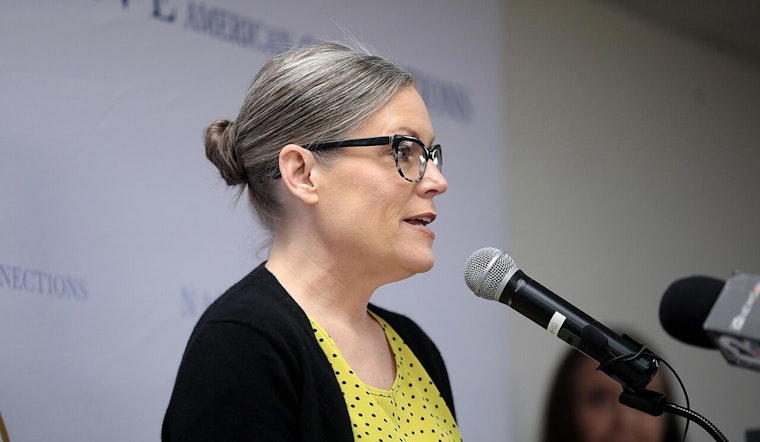
Amidst efforts to mitigate the fallout, Gov. Katie Hobbs sought federal intervention, urging the release of $6 billion in SNAP contingency funds; in a poignant rebuke, she stated, "It’s appalling that this administration is choosing to take food out of the hands of Arizona families," according to a statement obtained by FOX 10 Phoenix, painting a dire picture for those dependent on the program while chastising Washington Republicans for what she sees as exploitation of Arizona residents for political machination.
Meanwhile, efforts to bridge the looming gap in food assistance see Arizona officials considering alternatives; proposals range from tapping into the state's rainy day fund to calling upon the National Guard for aid at overwhelmed food banks, as The Arizona Central details, illustrating a scenario where the state government steps up in the face of federal inaction.
Adding to the discourse, Sen. Kelly, joined by 45 Senate colleagues, composed a letter stressing their dismay over the USDA's instruction to halt SNAP benefits processing for November, perplexing given the USDA's resources which could sustain benefits nearly through month's end, while Yassamin Ansari and Jared Huffman called on officials to elucidate the continued facilitation of drilling and logging permits amidst the suspension of critical services, as they told FOX 10 Phoenix, indicting the Trump administration's prioritization of these industries over the welfare of Americans in need of food security.





.jpg)