

























































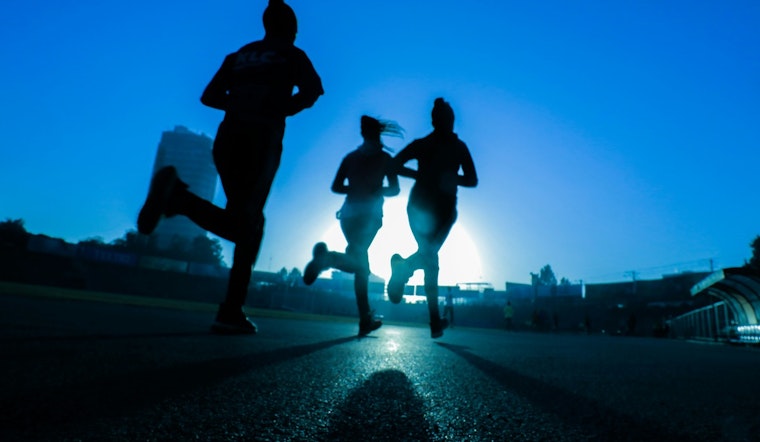
Today marks the 49th annual Boston 10K for Women, a key fixture in the local running calendar and an event that has evolved significantly since its inception in 1977. As New England's largest women's sporting event, over 6,000 participants are hitting the pavement, taking on a route that starts on Beacon Street and offers a scenic journey through Boston's Back Bay and along the Charles River. The race, which began at 9 a.m., draws runners of varying skill levels, from elite athletes to enthusiastic amateurs all bounded by a common goal—to reach their personal best and celebrate wellness. "The race inspires women to set the bar high, achieve their health and wellness goals, and go for their personal best," states the race's website, as reported by NBC10 Boston, who also serves as a proud media sponsor for the event.
The Boston 10K for Women began as the Bonne Bell Mini Marathon and unexpectedly drew 2,231 participants in its first year, greatly exceeding the anticipated 200. From a high school senior Lynn Jennings' inaugural victory to multiple record-setting performances, the race has been a platform for athletic prowess and community spirit alike. It's a staple that has withstood the test of time, with the course adjusted due to infrastructure changes, but always maintaining its essence—an embrace of the city, the river, and the collective energy of thousands of women pushing their limits. According to the official Boston 10K for Women history page, the event includes not just the 10K but also a suite of activities such as kids' races, fitness classes and wellness therapies designed to make the day a festival of health.
With the race in full swing, the city has implemented parking restrictions to accommodate the influx of runners and spectators. Areas affected include Beacon Street on the south side, heading towards Arlington Street, and several surrounding streets that are marked as no stopping zones specifically for this Boston Police special event. These measures are crucial to ensure the safety and smooth management of the race, and they underscore the scale and significance that the event holds within the city's annual calendar. The Boston 10K for Women is not just a race, but a testament to the community's commitment to health, fitness, and female empowerment.
The continuity and impact of the Boston 10K for Women are further underscored by the commitment of its participants, some of whom have run this race every year since it began. The event also functions as a beacon for those taking their first strides into the running world—many participants move on to marathons fueled by the inspiration garnered here. Spectators, too, are an integral part of the race, with friends and family members gathering to support runners—a spectacle as moving as the runners themselves. Though entrant numbers have fluctuated over the years, the race's spirit remains unwavering, a sentiment echoed by the race history, which recounts the roles of supportive law enforcement and the stories of women for whom this race has become a cherished tradition.




