

























































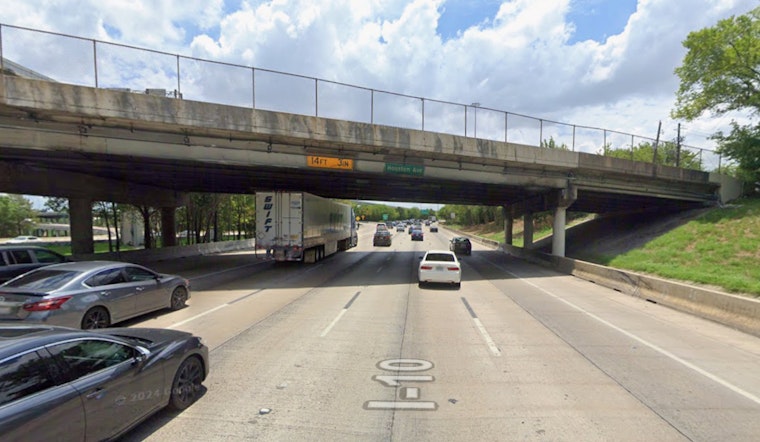
The Houston Avenue Bridge's ongoing saga with too-tall trucks continues, with another collision reported last Sunday, bringing the year's tally to a striking 72 hits. The Texas Department of Transportation (TxDOT) acknowledged the frequency of these incidents, citing a lack of compliance with state permits and approved travel routes by many semi-trucks and oversized load operators as the primary cause for this repeated problem, as reported by CW39.
Despite TxDOT installing heavy-load detection systems and flashing warning signs that notify truck drivers when they need to exit to avoid the low clearance, the bridge has continued to be an obstacle for drivers. Eight instances this year required police intervention; the trucks cause lane closures and often leave debris scattered across I-10, according to ABC13. Local business owner Jeff Ali described the impact of the strikes on the bridge as so intense that it puts the structure's integrity at risk, while truck drivers attribute the hits to negligence and a disregard for checking load sizes against bridge clearances.
Furthermore, TxDOT highlighted its existing measures which include three oversized load detection systems positioned east and westbound with advanced warning signage, "The monitoring system has detected 72 strikes to date in 2025," TxDOT stated to CW39, suggesting that measures in place are being ignored or circumvented by some drivers. Despite efforts, the bridge sustains regular hits, earning it the moniker "the undefeated, undisputed champion" among local police, as per ABC13.
Hope is pinned on the upcoming White Oak Bayou I-10 elevation project slated to begin in early 2027, with TxDOT promising that the construction will address the issues by raising I-10 above the bridge's height, preventing future incidents. However, that project isn't expected to be completed until 2027 or 2028. In the meantime, the Houston Avenue Bridge will remain vulnerable to unruly oversize loads and the drivers who take their chances against its low clearance. Truck drivers and locals alike are calling for timely updates to the infrastructure to avoid any catastrophic failures and improve overall safety.





